Artemis II Crew Splashes Down After First Human Voyage to the Moon in 53 Years
NASA astronauts Reid Wiseman, Victor Glover, and Christina Koch, and Canadian astronaut Jeremy Hansen returned to Earth on April 10 after a 10-day, 694,481-mile journey that took them around the Moon -- the first crewed lunar mission since Apollo 17 in 1972.
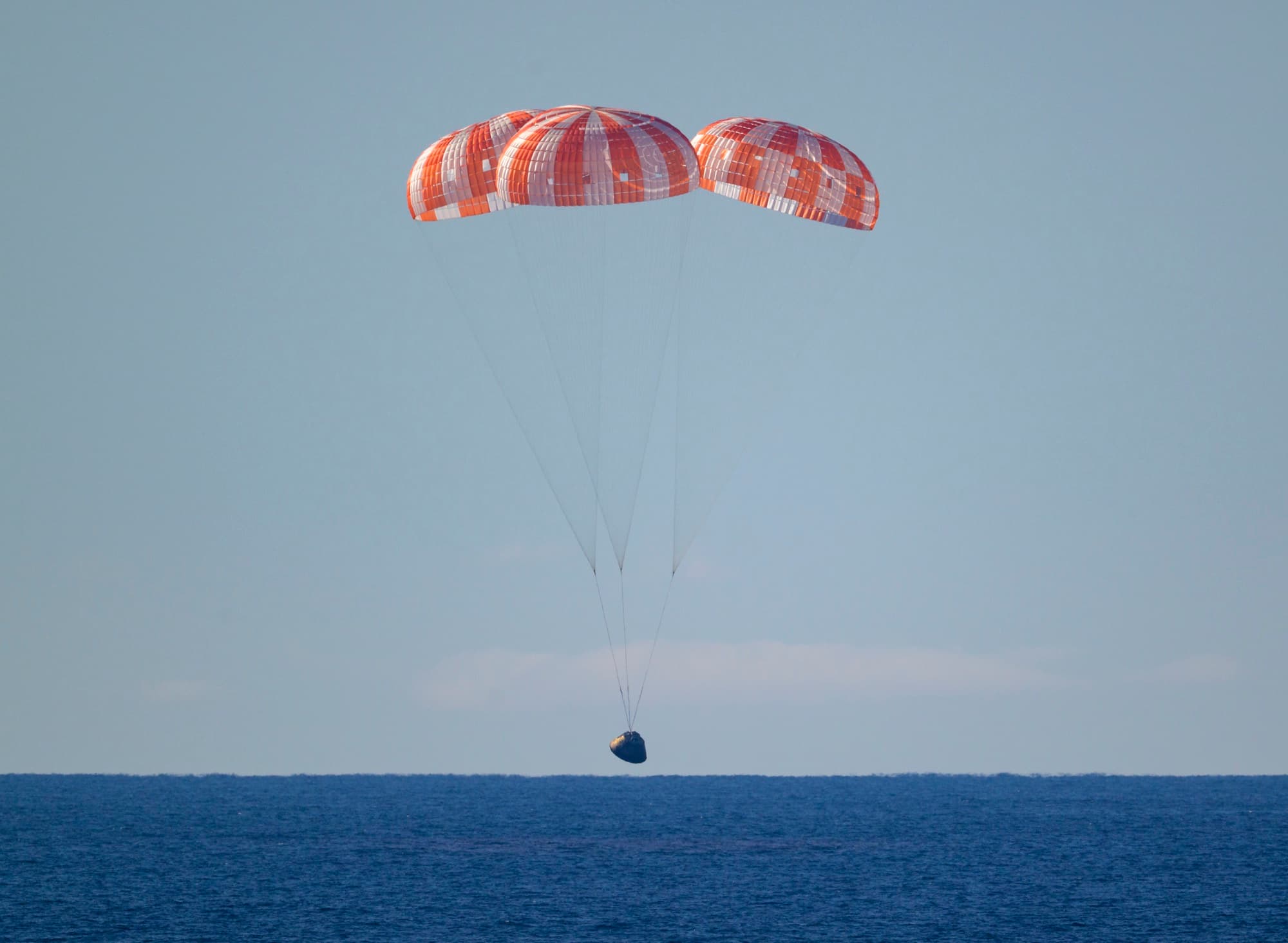
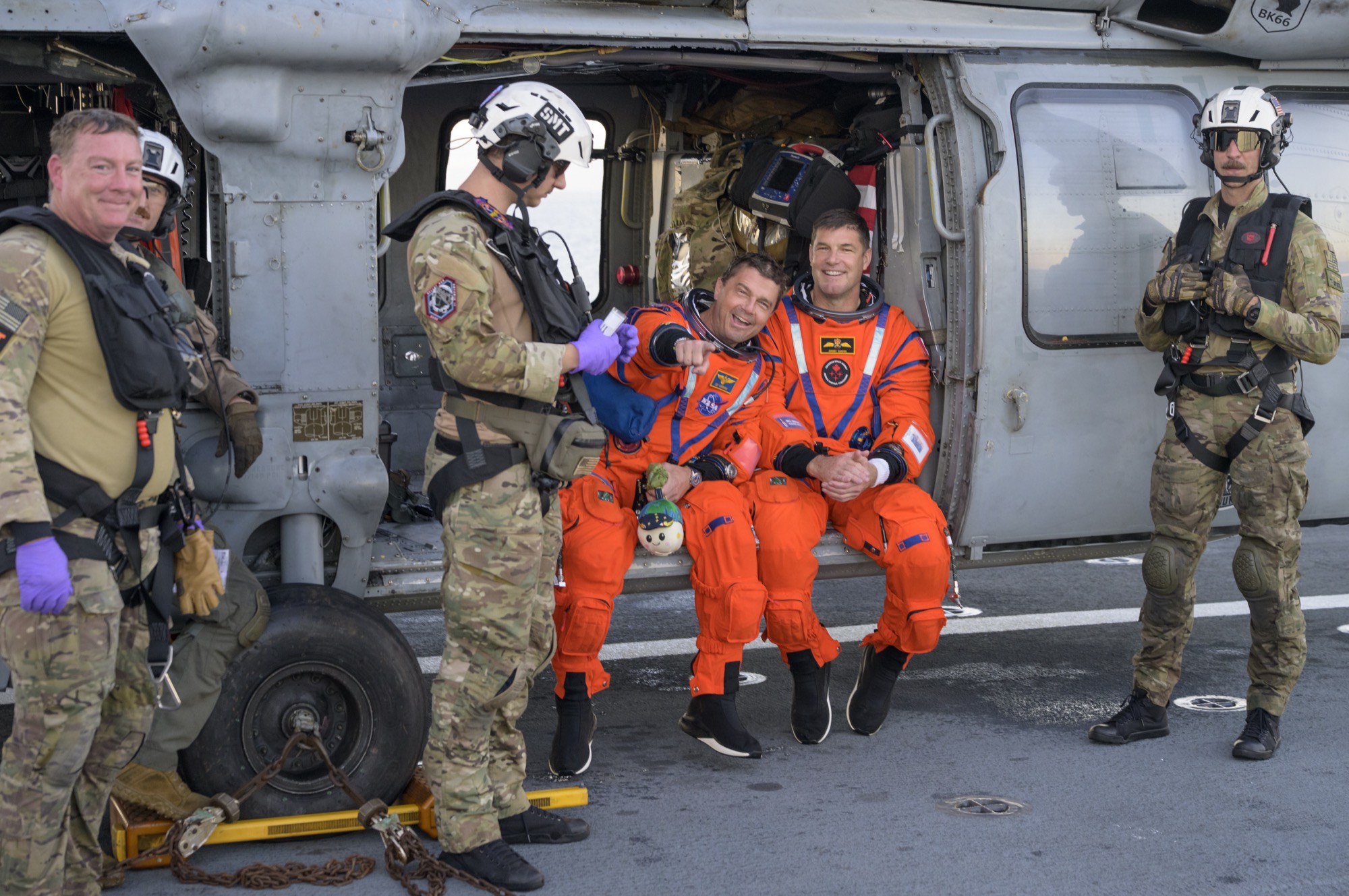
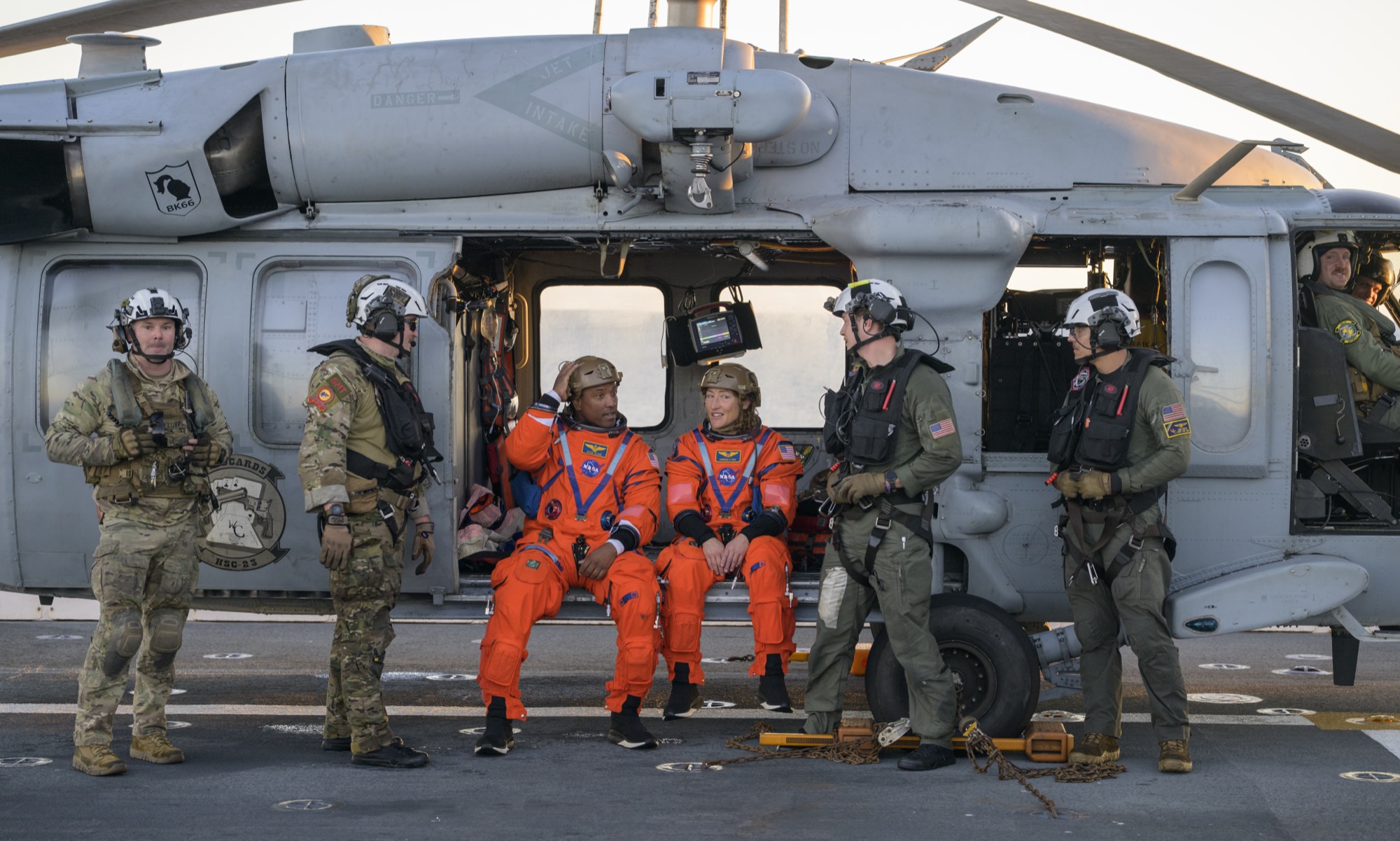
The Orion spacecraft Integrity hit the Pacific Ocean at 5:07 p.m. PDT on April 10, carrying four astronauts home from the first crewed voyage to the Moon since December 1972. A combined NASA and U.S. Navy recovery team aboard USS John P. Murtha extracted the crew and transported them by helicopter for medical evaluation.
The mission -- 10 days from launch to splashdown, 694,481 miles traveled -- broke Apollo 13's record for the farthest distance humans have traveled from Earth, reaching 252,756 miles out at a lunar flyby altitude of just 4,067 miles above the surface.
The Crew
| Role | Astronaut | Agency |
|---|---|---|
| Commander | Reid Wiseman | NASA |
| Pilot | Victor Glover | NASA |
| Mission Specialist | Christina Koch | NASA |
| Mission Specialist | Jeremy Hansen | Canadian Space Agency |
Glover becomes the first Black astronaut to travel beyond low Earth orbit. Koch is the first woman. Hansen is the first non-American to leave Earth's neighborhood since the program began.
Mission Timeline
| Date | Event |
|---|---|
| April 1 | Launch from Kennedy Space Center Pad 39B at 6:35 p.m. EDT |
| April 6 | Lunar flyby -- 4,067 miles above the surface |
| April 1-10 | 7,000+ lunar surface images captured, including solar eclipse imagery |
| April 10 | Splashdown in Pacific Ocean off San Diego at 5:07 p.m. PDT |
What They Tested
Artemis II was a test flight. The crew put Orion's life support systems, piloting controls, and emergency procedures through their paces in deep space for the first time with humans aboard. Every system that will eventually carry astronauts to the lunar surface on Artemis III had to work first on this mission.
The spacecraft itself -- SLS (Space Launch System) and the Orion capsule -- had flown uncrewed on Artemis I in 2022. This was the proof that the system could keep people alive and bring them back.
What Comes Next
NASA is targeting 2028 for Artemis III, the mission that will land astronauts on the lunar surface for the first time since 1972. That mission will use a commercial lander -- SpaceX's Starship HLS -- to carry crew from Orion to the Moon's south pole, where permanently shadowed craters may contain water ice.
The gap between Artemis II and III gives NASA time to integrate the crew operations tested on this flight with the lander hardware still in development. The crew's post-mission debriefings, starting with a press conference at Johnson Space Center on April 16, will shape those preparations.