Argentina Narrows Glacier Protections in 137-111 Vote, Clearing Path for $30 Billion in Mining
After 12 hours of debate, Argentina's lower house voted to let provinces decide which of the country's 17,000 glaciers deserve protection -- and which can be opened to copper, lithium, and gold extraction by six of the world's largest mining companies.
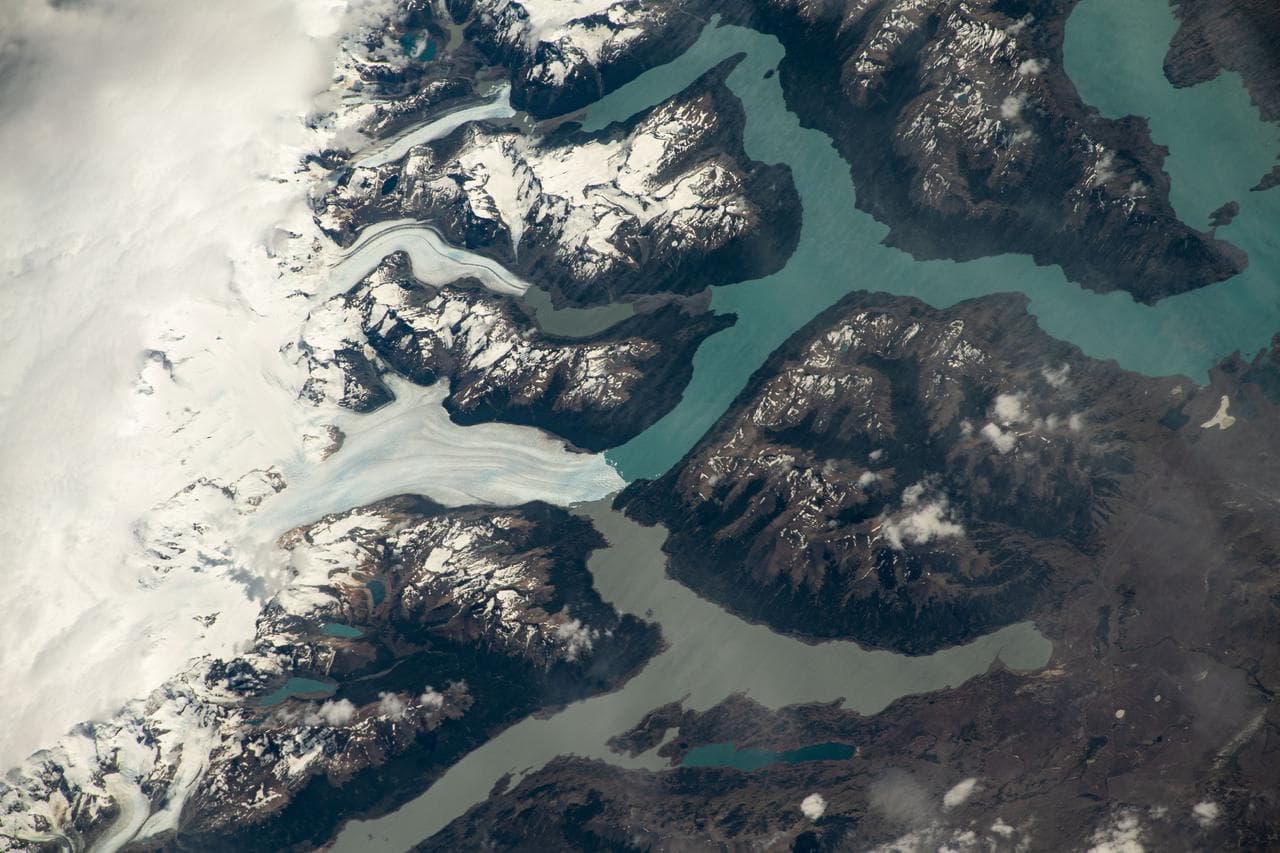
Argentina's Chamber of Deputies voted 137-111 early Thursday to rewrite the country's glacier protection law, stripping blanket safeguards from the Andean ice formations and periglacial environments that supply water to millions of people across the country's arid western provinces.
The reform, which passed the Senate in February, now heads to President Javier Milei's desk for signature. It replaces a 2010 law that prohibited all mining, hydrocarbon extraction, and industrial activity in glacial and periglacial zones with a framework that narrows protection to formations provinces determine have "relevant hydrological function" -- and opens the rest to extraction.
What Changed
The original Law 26.639, passed in 2010 after years of public campaigning, treated all glaciers and the surrounding periglacial environment as strategic water reserves. The National Glacier Inventory, managed by the scientific agency IANIGLA, catalogued 16,968 ice bodies covering 8,484 square kilometers -- an area 41 times the size of Buenos Aires.
The reform makes three changes that matter:
1. It narrows what's protected. Only glaciers that can demonstrate an "effective hydrological function" relevant to basin recharge qualify for protection. The periglacial environment -- the frozen soil zones that regulate water flow in the high Andes -- loses its blanket shield.
2. It transfers authority to the provinces. Instead of a national scientific inventory determining what's protected, each province now decides which formations to safeguard and which to open to extractive activity. Environmental impact assessments fall under provincial jurisdiction.
3. It creates a pathway to mine. The previous law was a hard prohibition. The new framework is a permitting process. If a province determines a glacier or periglacial zone lacks relevant hydrological function, mining can proceed.
A precautionary clause preserves current inventory protections until a province certifies non-hydrological status -- but the burden has shifted from miners proving they won't harm water supply to provinces proving a glacier matters.
What's Waiting
The law didn't happen in a vacuum. Five Andean provinces -- San Juan, Catamarca, Salta, Jujuy, and Mendoza -- have been lobbying for this reform, and six of the world's largest mining companies have projects queued behind it.
| Project | Company | Province | Metal | Est. Investment |
|---|---|---|---|---|
| Vicuña (Filo del Sol + Josemaría) | BHP / Lundin Mining | San Juan | Copper | $18 billion |
| El Pachón | Glencore | San Juan | Copper | $9.5 billion |
| Los Azules | McEwen Copper | San Juan | Copper | $2.7 billion |
| MARA (ex-Alumbrera) | Glencore | Catamarca | Copper | Undisclosed |
| Veladero | Barrick Mining | San Juan |
Rio Tinto also holds concessions in the region. Industry estimates put total potential investment at over $30 billion over the next decade, with roughly 70% directed at copper, gold, and silver. Argentina's central bank projects mining exports could triple by 2030.
The mining sector's own analysis underscores the stakes: 75% of Argentina's copper projects required this glacier law reform to proceed.
What's Shrinking
The glaciers themselves are not waiting for permits. IANIGLA's most recent data from the northwestern region -- where the mining projects concentrate -- shows exposed ice has shrunk 17% in the last decade. Perennial snow patches have contracted 23%. Climate change is the primary driver.
Argentina's glaciers cover less than 0.25% of the country's continental surface but function as natural reservoirs, storing precipitation as ice and releasing it gradually through the year. In the arid western provinces, glacier meltwater sustains agriculture, drinking supply, and ecosystems hundreds of kilometers from the ice itself.
The Debate
The 12-hour session drew sharp division. The ruling La Libertad Avanza coalition and provincial allies framed the reform as economic modernization.
"Environmentalists would rather see us starve than have anything touched." -- President Javier Milei
Opposition legislators called the reform "unconstitutional and regressive." Environmental scientist Flavia Broffoni was blunt: "There is absolutely no possibility of creating what they call a 'sustainable mine' in a periglacial environment."
Outside Congress, seven Greenpeace activists were arrested after scaling a parliament statue and unfurling banners. Protesters held signs reading "Water is more precious than gold" and "A glacier destroyed cannot be restored." Greenpeace and the Environment and Natural Resources Foundation (FARN) are organizing a class-action lawsuit challenging the law's constitutionality.
What's Next
Milei is expected to sign the bill promptly. Implementation then falls to the five Andean provinces, which must establish criteria for determining hydrological function and begin processing mining permits.
The legal challenge may slow the timeline. Argentina's constitution establishes minimum environmental protections at the federal level, and opponents argue the reform violates that framework by delegating environmental authority downward. The Veladero mine in San Juan -- already operating under the previous regime -- has a history of cyanide solution spills dating to 2015, a record opponents cite as evidence that provincial oversight is insufficient.