Hegseth Orders Military Bases to Presume Approval When Troops Request to Carry Personal Firearms
A memo signed April 2 flips the default on personal weapons across all U.S. military installations, shifting the burden from service members proving need to commanders justifying denial.
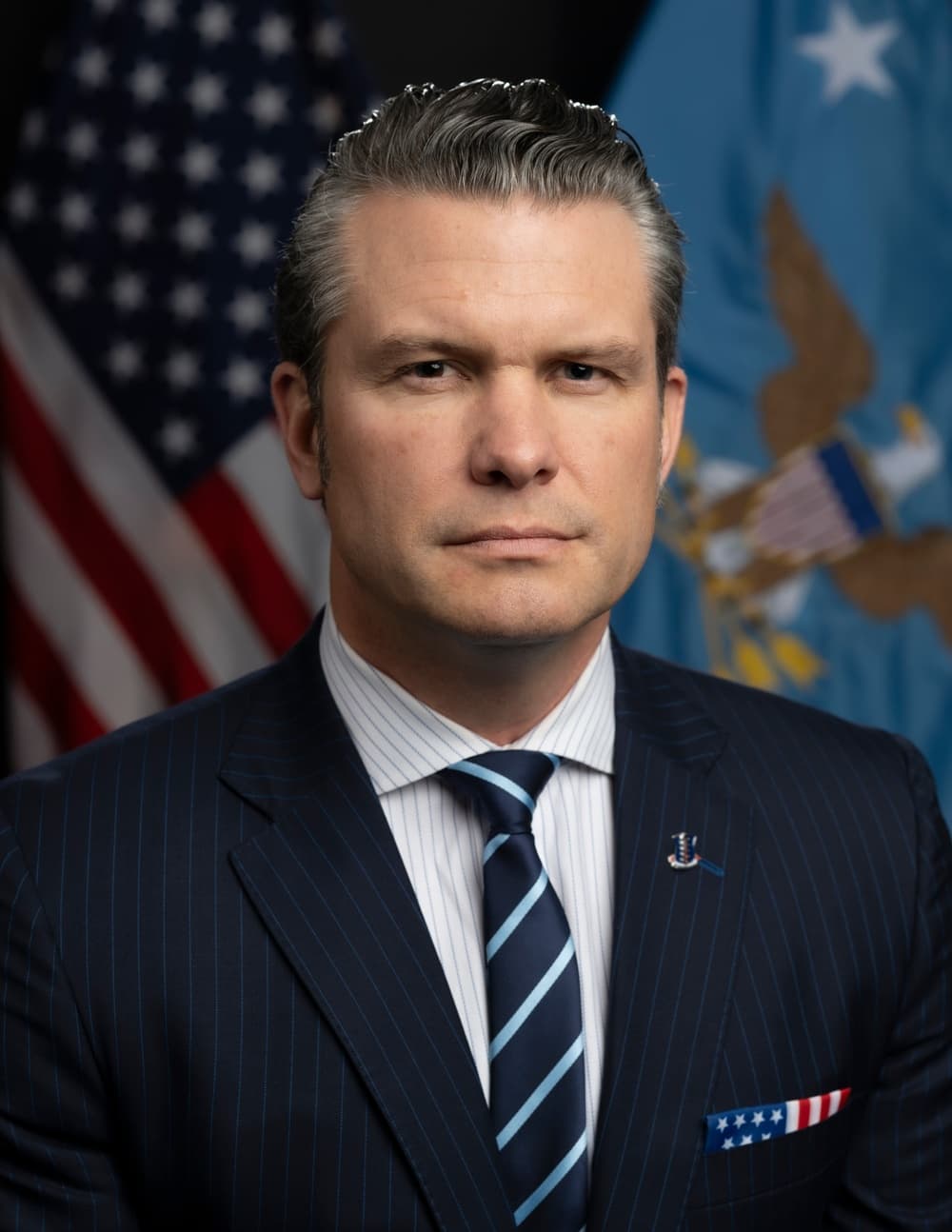
Secretary of War Pete Hegseth signed a memorandum on April 2 directing military installation commanders to allow off-duty service members to carry privately owned firearms on base, reversing a longstanding default that restricted personal weapons to housing and armories.
The shift is procedural but consequential. Under previous policy, personal firearms were generally barred from installation grounds except in registered storage. Now, when a service member requests to carry for personal protection, the commander must apply a "presumption of approval." Denials must come in writing, with a detailed explanation of the basis for the decision.
"Our military installations have been turned into gun-free zones — leaving our service members vulnerable."
The Policy
The memo, titled "Non-Official Personal Protection Arming on Department of War Property," applies to all branches — Army, Navy, Air Force, Marine Corps, Coast Guard, and Space Force — but only to service members in a "nonofficial duty capacity." Concealed carry inside installation buildings is not permitted.
The Pentagon gets a carve-out: personnel may store firearms in vehicles on the Pentagon Reservation but may not carry inside the building.
Hegseth cited Section 526 of the National Defense Authorization Act for Fiscal Year 2016, which authorized installation commanders to approve personal carry when necessary for personal protection. The memo argues that authority has gone largely unused in the decade since Congress granted it.
"Our warfighters are no less entitled to exercise their God-given right to keep and bear arms than any other American."
The Incidents Behind the Memo
The memorandum references three on-base shootings as evidence that current policy leaves service members exposed.
Naval Air Station Pensacola, December 2019. Mohammed Alshamrani, a Saudi military student in a U.S. training program, shot and killed three sailors — Aircrewman Mohammed Haitham, 19; Aircrewman Cameron Walters, 21; and Ensign Joshua Watson, 23 — before being killed by responding officers. The FBI classified the attack as an act of terrorism linked to al-Qaeda in the Arabian Peninsula. The shooting lasted roughly 15 minutes; security forces intervened about eight minutes after the first shots.
Fort Stewart, August 2025. Army Sgt. Quornelius Radford shot five fellow soldiers at a 2nd Armored Brigade Combat Team logistics building using a personal handgun he had brought onto the installation. All victims survived, though one faces medical retirement. Radford told the military judge his goal was "to get in a shootout with the MPs and probably die." He has pleaded guilty to aggravated assault and faces an attempted murder trial.
Holloman Air Force Base, March 2026. Ashanti Stewart, 23, a civilian and former base paralegal, shot an active-duty service member in a domestic-related incident before taking her own life. The airman survived.
Hegseth framed the policy as a response to response-time gaps at these incidents. "Minutes are a lifetime," he wrote. "Not all enemies are foreign, nor are they all outside our border."
Who's Affected
Roughly 1.3 million active-duty service members across hundreds of U.S. installations, plus reservists and National Guard when on federal property. The policy also shifts workload to installation commanders and security forces who must process and adjudicate carry applications.
Several implementation questions remain unaddressed in the memo: how firearms should be carried or stored when entering restricted buildings, how personal carry integrates with existing base security protocols and military police operations, and how the policy aligns with varying state firearms laws — a significant open question for installations in states with stricter carry requirements.
What's Next
Implementation falls to individual installation commanders, with no stated deadline or training requirements for approved carriers. The memo arrives during a broader push by the Hegseth Pentagon to reshape military culture, following the department's rebranding from Department of Defense to Department of War and a series of organizational overhauls across the services.