Radev's Progressive Bulgaria Wins 130 of 240 Seats, Ending Bulgaria's Five-Year Run of Eight Snap Elections
Former president Rumen Radev's coalition took 43.91 percent of the vote and an outright parliamentary majority in Sunday's election — the first for any Bulgarian party since 1997. OSCE observers called administration 'transparent and efficient' but flagged disinformation-heavy online campaigning.
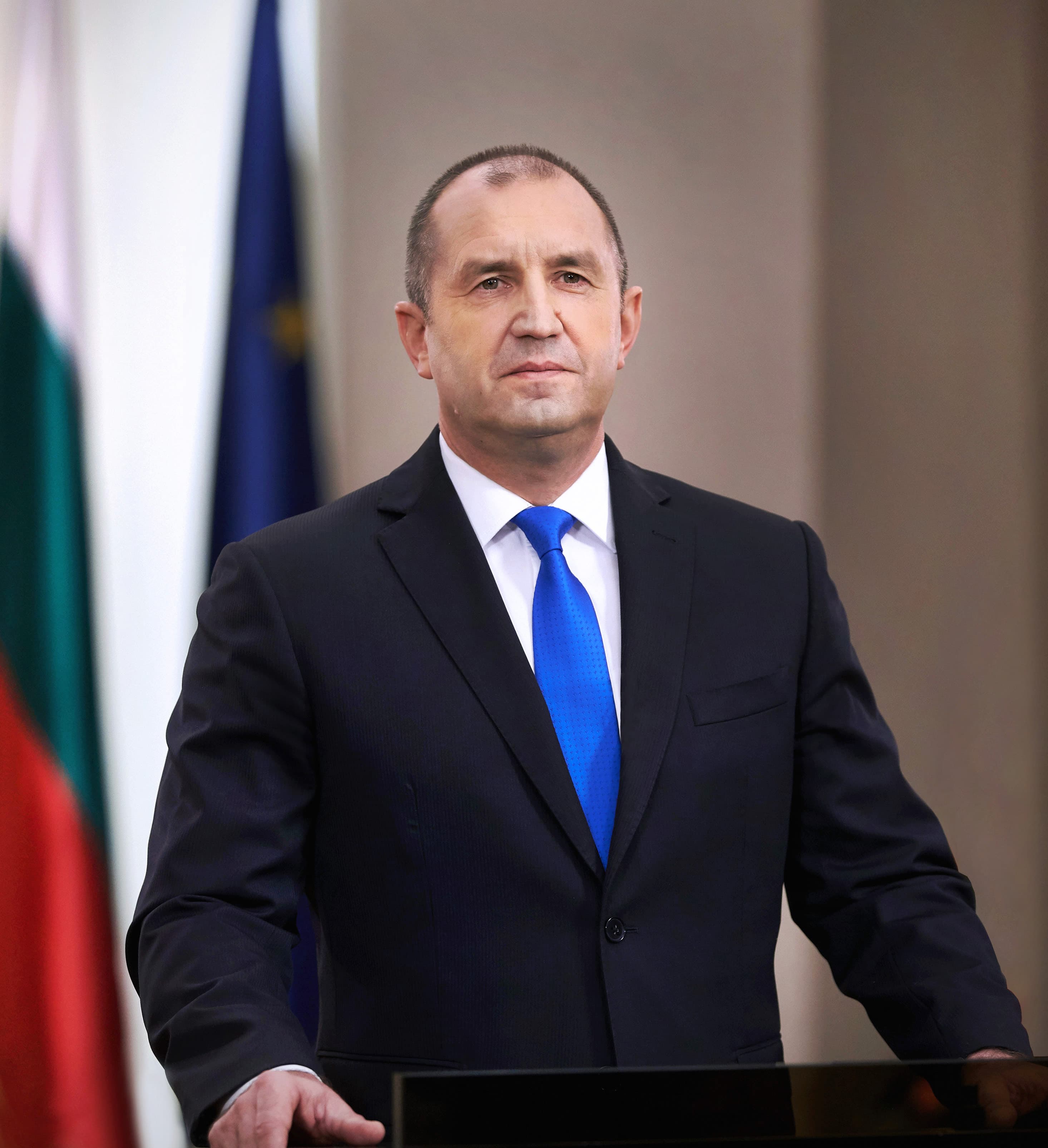
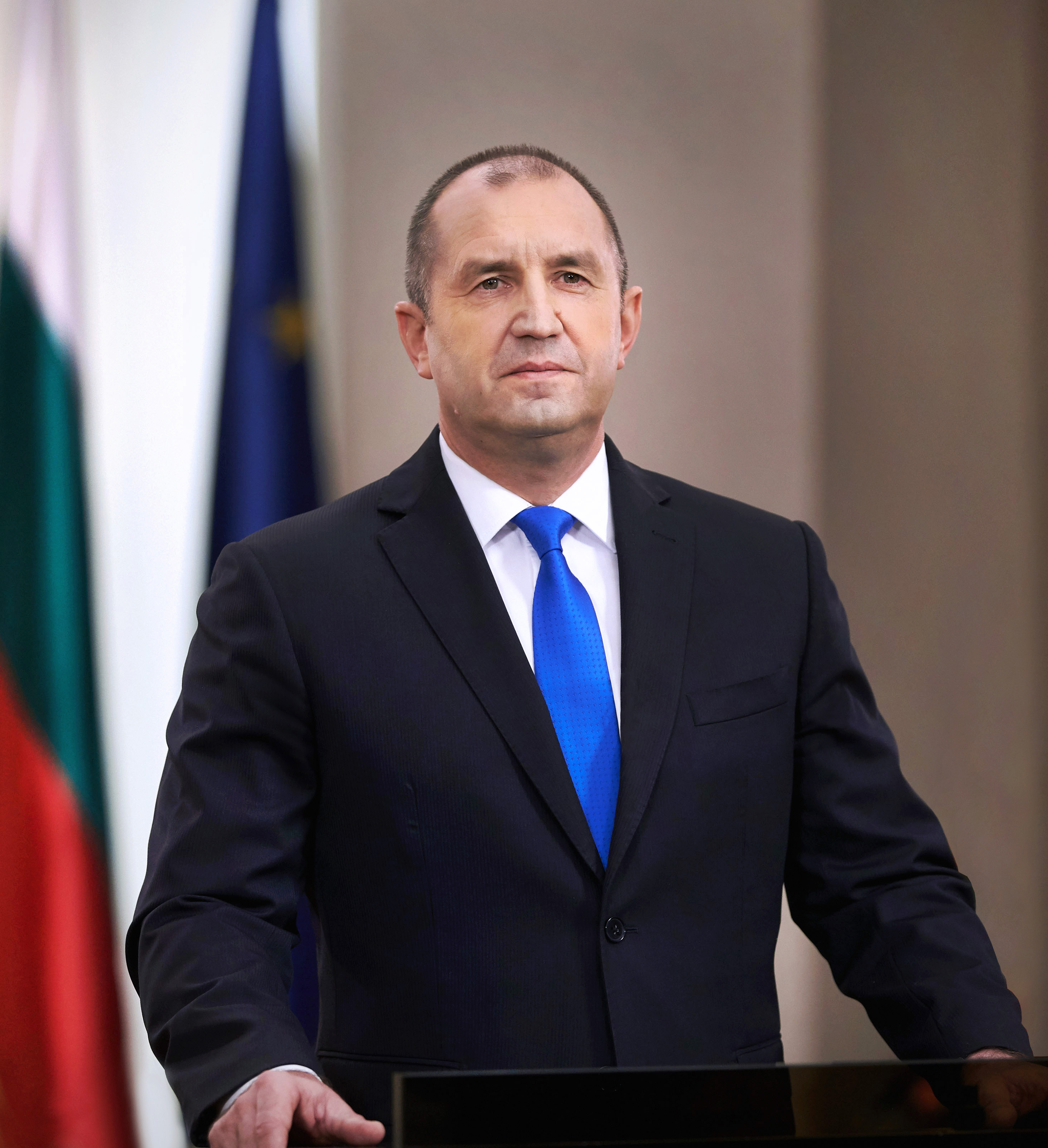
Former Bulgarian President Rumen Radev's Progressive Bulgaria coalition won 130 of 240 seats in Sunday's early parliamentary election, according to official results from Bulgaria's Central Election Commission (CIK). The outright majority ends a period of political deadlock that produced eight snap elections in five years.
Results
Five parties passed the 4 percent threshold to enter the National Assembly:
| Party | Leader | Vote share | Seats |
|---|---|---|---|
| Progressive Bulgaria (PB) | Rumen Radev | 43.91% | 130 |
| GERB–SDS | Boyko Borissov | 13.18% | 39 |
| We Continue the Change – Democratic Bulgaria (PP–DB) | Kiril Petkov / Asen Vasilev | 12.42% | 37 |
| Movement for Rights and Freedoms – New Beginning (DPS–NN) | Delyan Peevski | 7.01% | 21 |
| Revival | Kostadin Kostadinov | 4.19% | 13 |
Turnout was 50.05 percent — 3,290,880 ballots — roughly ten points higher than October 2024. A majority in the 240-seat National Assembly requires 121 seats; Radev's coalition cleared it by nine.
Who Radev is
Radev, 62, is a former major general of the Bulgarian Air Force who trained at Maxwell Air Force Base and the U.S. Air War College before commanding Bulgaria's air force from 2014 to 2016. He served two terms as Bulgaria's president, elected in 2016 with 59.37 percent in the runoff and re-elected in 2021 with 66.7 percent. His presidency, which ended earlier this year, was marked by 19 vetoes and a long series of caretaker cabinets he appointed during the country's cycle of collapsed governments.
On foreign policy, Radev has opposed sending lethal aid to Ukraine, called Western sanctions on Russia ineffective, and opposed rushing Bulgaria's eurozone accession — positions that set him apart from the GERB-led governments he clashed with throughout his presidency.
Peevski keeps seats despite U.S. sanctions
Delyan Peevski's DPS–New Beginning took 7.01 percent and 21 seats, finishing fourth. Peevski has been sanctioned by the United States under the Global Magnitsky Act since June 2021 for "his extensive role in corruption in Bulgaria," and was re-designated in 2023. He has never lost his parliamentary presence through the country's successive snap elections.
What the OSCE observers found
The OSCE Office for Democratic Institutions and Human Rights (ODIHR) international election observation mission said in its preliminary statement that the vote "offered voters a genuine choice" and was "administered transparently and efficiently," while flagging several concerns.
"The process we have observed offered voters a genuine choice, but in an atmosphere of significant political polarization and campaign rhetoric that was often negative," said Mission Head Dunja Mijatović.
Observers cited a last-minute amendment reducing the number of polling stations abroad as undermining the stability of the electoral law, and said unregulated online campaigning "facilitat[ed] the circulation of disinformation narratives." They noted that multiple prior ODIHR recommendations — on candidate residency requirements, the investigation of electoral violations, legal avenues to challenge results, and measures to enhance women's participation — remain unaddressed.
What happens next
Radev does not need a coalition partner to form a government. With 130 seats he can nominate a prime minister, pass a cabinet, and begin legislating without negotiating with the runners-up — a scenario Bulgaria has not seen in a single-party or single-coalition form since 1997. Bulgaria's eurozone accession, slated for January 1, 2026 under the outgoing Zhelyazkov government's schedule, and the country's position on Ukraine weapons transfers are the two policy questions most likely to shift in the new parliament.