Amnesty's 2026 Report Names Trump, Putin, and Netanyahu as the 'Voracious Predators' of 2025
In the foreword to the State of the World's Human Rights report released Monday, Amnesty Secretary-General Agnès Callamard singles out three heads of state by name and catalogues what she calls a 'predatory world order' of unlawful war, extrajudicial killing, and the abandonment of multilateralism.
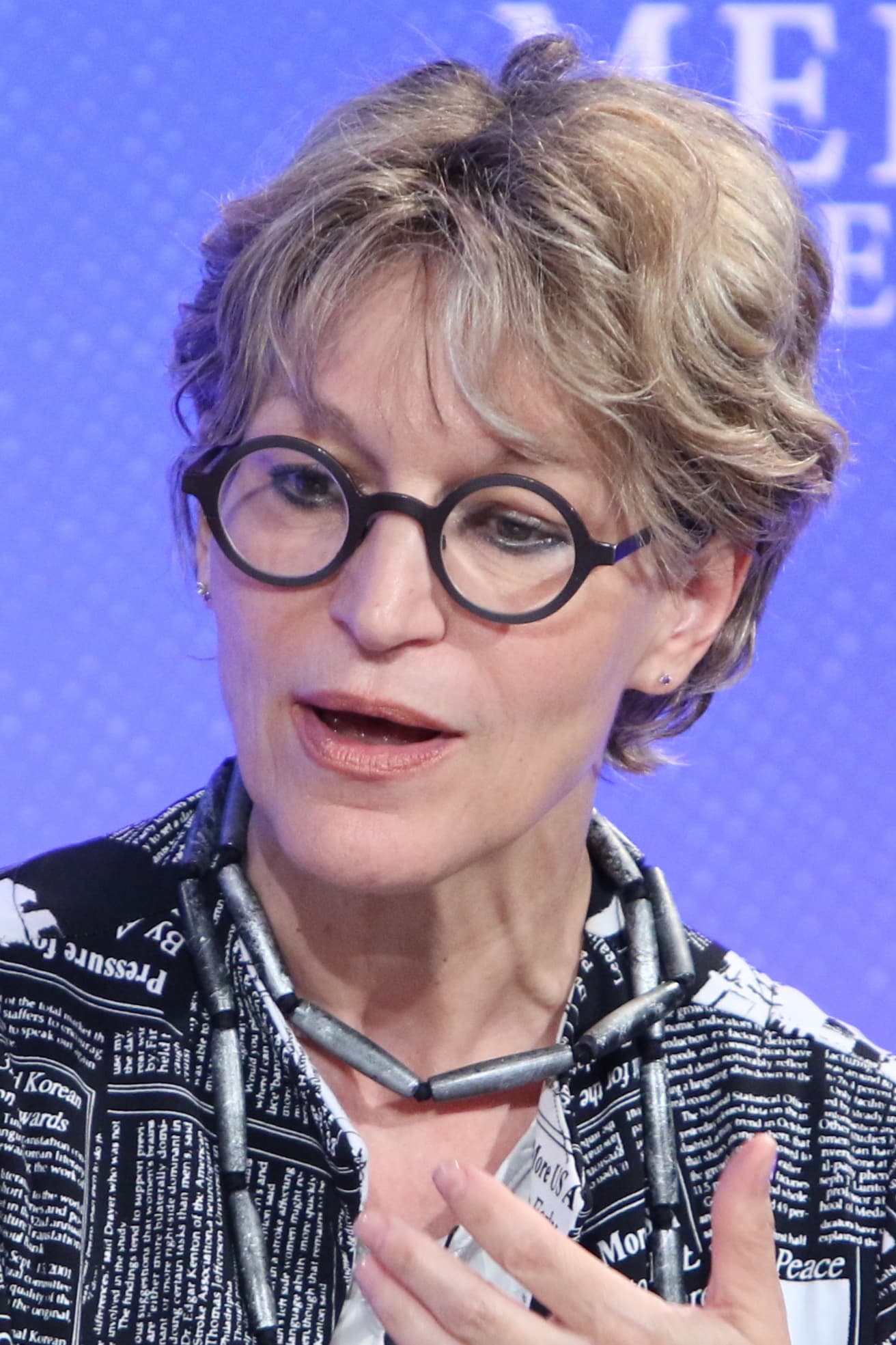
Amnesty International released its 2025/26 State of the World's Human Rights report on Monday in London, and for the first time in its annual foreword the organization's Secretary-General named three sitting heads of state as a defining threat to the global human rights system.
"Throughout 2025, voracious predators stalked through our global commons, hulking hunters plundering unjust trophies," Agnès Callamard wrote. "Political leaders like Trump, Putin and Netanyahu, among many others, carried out their conquests for economic and political domination through destruction, suppression and violence on a massive scale."
What the report covers
The full State of the World's Human Rights: April 2026 assesses 144 countries across the year 2025. Four are singled out as primary drivers of what Callamard calls the "predatory world order": the United States, Russia, Israel, and China. The report documents widespread violations in dozens of others — the Taliban in Afghanistan, Iran, Venezuela, Egypt, India, Kenya, Myanmar, and the UAE among them — but frames the Trump, Putin, and Netanyahu governments as the defining force of the year.
Specific violations cited
According to Amnesty's announcement and the Secretary-General's foreword:
- United States: Amnesty says the U.S. carried out more than 150 extrajudicial executions via bombing operations and conducted "unlawful attacks on Venezuela and Iran." The report cites U.S. withdrawal from multilateral organizations and cuts to international aid as structural contributors to what it calls "millions of preventable deaths."
- Israel: The report describes "Israel's genocide against Palestinians in Gaza" as ongoing, alongside "apartheid, illegal settlements, torture."
- Russia: Amnesty says Russian "crimes against humanity in Ukraine escalate," citing aerial attacks on civilian infrastructure.
- China: Named as one of the four primary predators, though the foreword places the most specific numerical focus on the other three.
Callamard's framing
Callamard's foreword casts the three leaders not as national anomalies but as the enforcers of an emergent global architecture:
"This is a direct assault on the foundations of human rights and the international rules-based order by the most powerful actors for the purpose of control, impunity and profit."
She describes the system they are building as one that "discards racial and gender justice, mocks women's rights, declares civil society a common enemy and rejects international solidarity," and says it is "predicated not on respect for our common humanity, but on trade supremacy and technological hegemony."
At the London press conference Monday, Callamard said most governments have chosen to "appease" the three leaders rather than confront them, and that appeasement is "emboldening all of those that are tempted by similar behaviours," producing copycats worldwide. "To appease aggressors is to pour fuel on a fire that will burn us all and scorch the future for generations to come," she said.
Resistance data points
The report also catalogues what Amnesty characterizes as resistance:
- Over 300,000 people defied Hungary's Pride ban
- More than 400 people are facing politically motivated prosecution in Turkey
- Approximately 2,700 arrests in the U.K. for protests against the proscription of Palestine Action
Context
Amnesty's annual report is one of the two most widely-cited international human rights assessments, alongside Human Rights Watch's World Report. Prior Amnesty forewords have criticized specific national governments, but naming three sitting heads of state by name as "voracious predators" in the headline framing is a departure from the organization's typical language. Callamard, a French human rights lawyer who previously served as UN Special Rapporteur on extrajudicial, summary and arbitrary executions, has led Amnesty International as Secretary-General since March 2021.