Curiosity Rover Identifies 21 Organic Molecules in a Mars Sample — Including a Nitrogen Heterocycle Never Before Confirmed on the Planet
Scientists using NASA's Curiosity rover ran the first wet chemistry experiment ever attempted on another planet's surface, breaking apart organic matter sealed in a 2020 drill sample. Seven of the 21 carbon-bearing molecules they identified had never been confirmed on Mars, including a ring-shaped nitrogen compound with a structure resembling the building blocks of DNA and RNA.
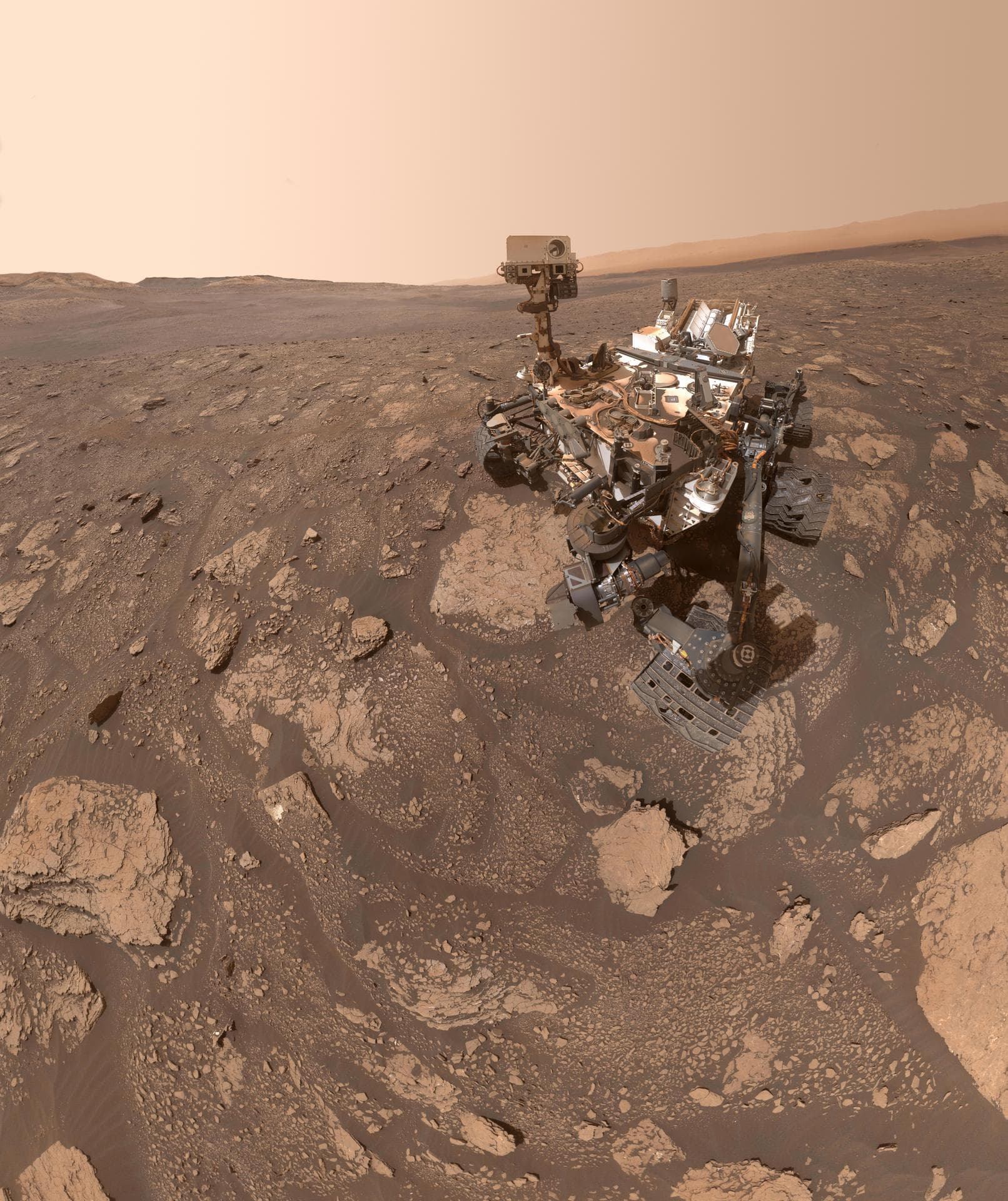
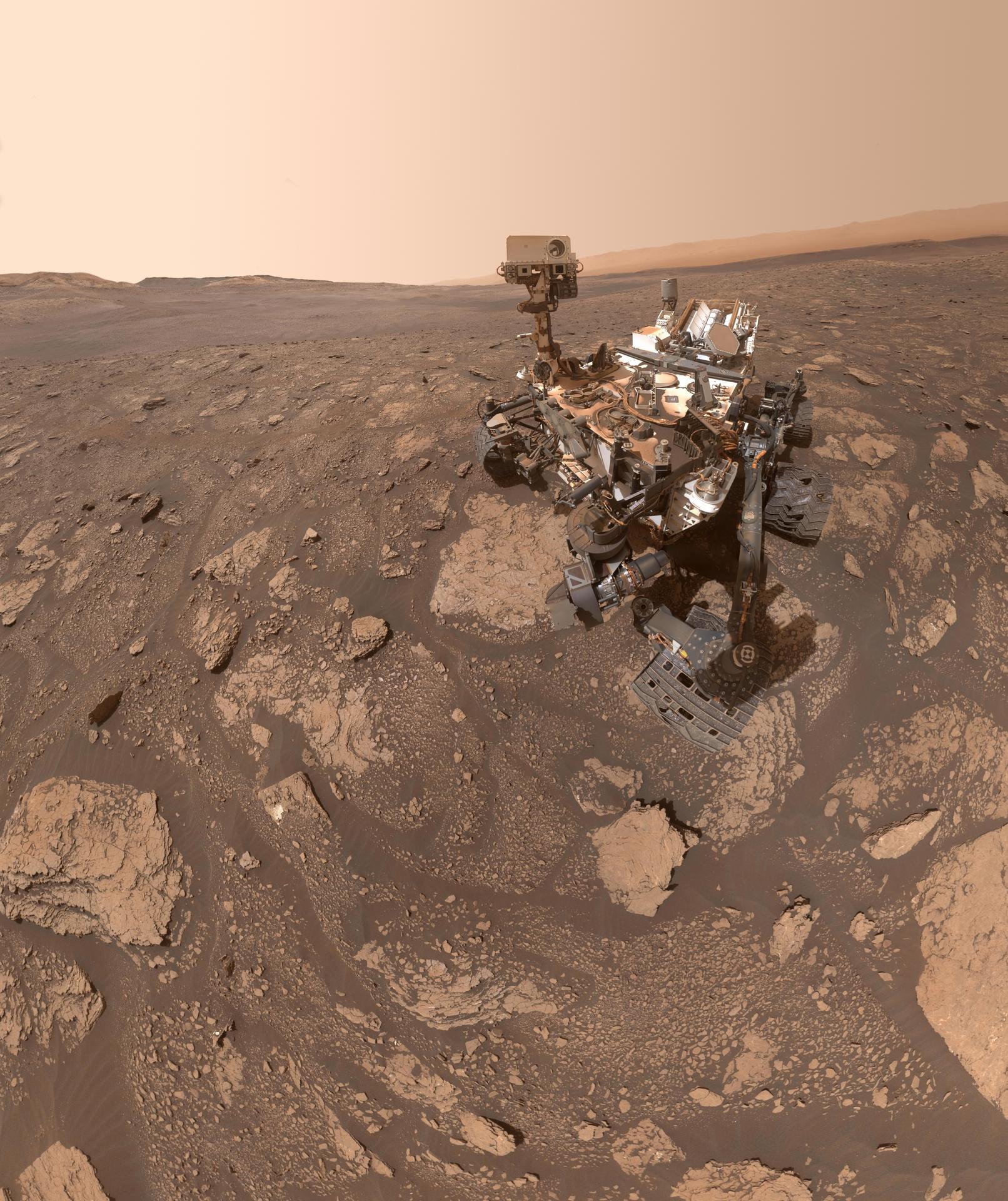
NASA's Curiosity rover has identified 21 carbon-containing molecules in a single rock sample drilled from Gale Crater in 2020 — seven of them confirmed on the Martian surface for the first time — after scientists carried out the first-ever wet chemistry experiment on another planet. Results were published April 21, 2026 in Nature Communications by a team led by University of Florida geologist Amy Williams.
The most unusual find is a nitrogen heterocycle: a ring-shaped organic molecule that contains a nitrogen atom inside the ring. Nitrogen heterocycles are structural components of the nucleobases in DNA and RNA, and of many amino acids. "That detection is pretty profound because these structures can be chemical precursors to more complex nitrogen-bearing molecules," Williams said in NASA's release. "Nitrogen heterocycles have never been found before on the Martian surface or confirmed in Martian meteorites."
The team also confirmed benzothiophene — a double-ringed sulfur-bearing molecule often delivered to planets by meteorites — and the long-chain hydrocarbons decane, undecane, and dodecane.
The experiment: two cups, eleven years of planning
Curiosity's Sample Analysis at Mars (SAM) instrument suite bakes drilled rock powder at high temperature and reads the gases that come off. That works well for small, volatile molecules but destroys larger ones before they can be identified. To get around that limit, SAM's designers packed two cups of tetramethylammonium hydroxide — known as TMAH — aboard the rover before launch in 2011. TMAH is a strong base that breaks large, heat-sensitive organics into smaller fragments that can survive SAM's ovens and register on its mass spectrometer.
The first of those two cups was used on a sample called "Mary Anning 3," drilled in 2020 from clay-rich mudstone in the Glen Torridon region at the base of Mount Sharp. The site sits in what was once a lakebed, dated to roughly 3.5 billion years ago. Curiosity named the drill target after 19th-century English fossil-hunter Mary Anning.
What was detected
| Compound class | Example molecules | First time on Mars? |
|---|---|---|
| Nitrogen heterocycles | Ring-shaped N-bearing organic | Yes |
| Aromatic compounds | Naphthalene | Yes |
| Sulfur-bearing aromatics | Benzothiophene | Yes (confirmed) |
| Long-chain alkanes | Decane, undecane, dodecane | Previously detected |
| Aromatic carboxylic acids / esters | Methyl-bearing aromatics | Seven first detections in total |
The Nature Communications paper reports that the 21 molecules span "aromatic and cyclic" organics with methyl, ester, and carboxylic-acid functional groups and include sulfur-, oxygen-, and nitrogen-bearing compounds. The detection of both one- and two-ring aromatics, alongside the first confirmations of naphthalene and benzothiophene on Mars, makes it the most chemically diverse organic assemblage ever measured on another planet's surface.
Why the rock mattered
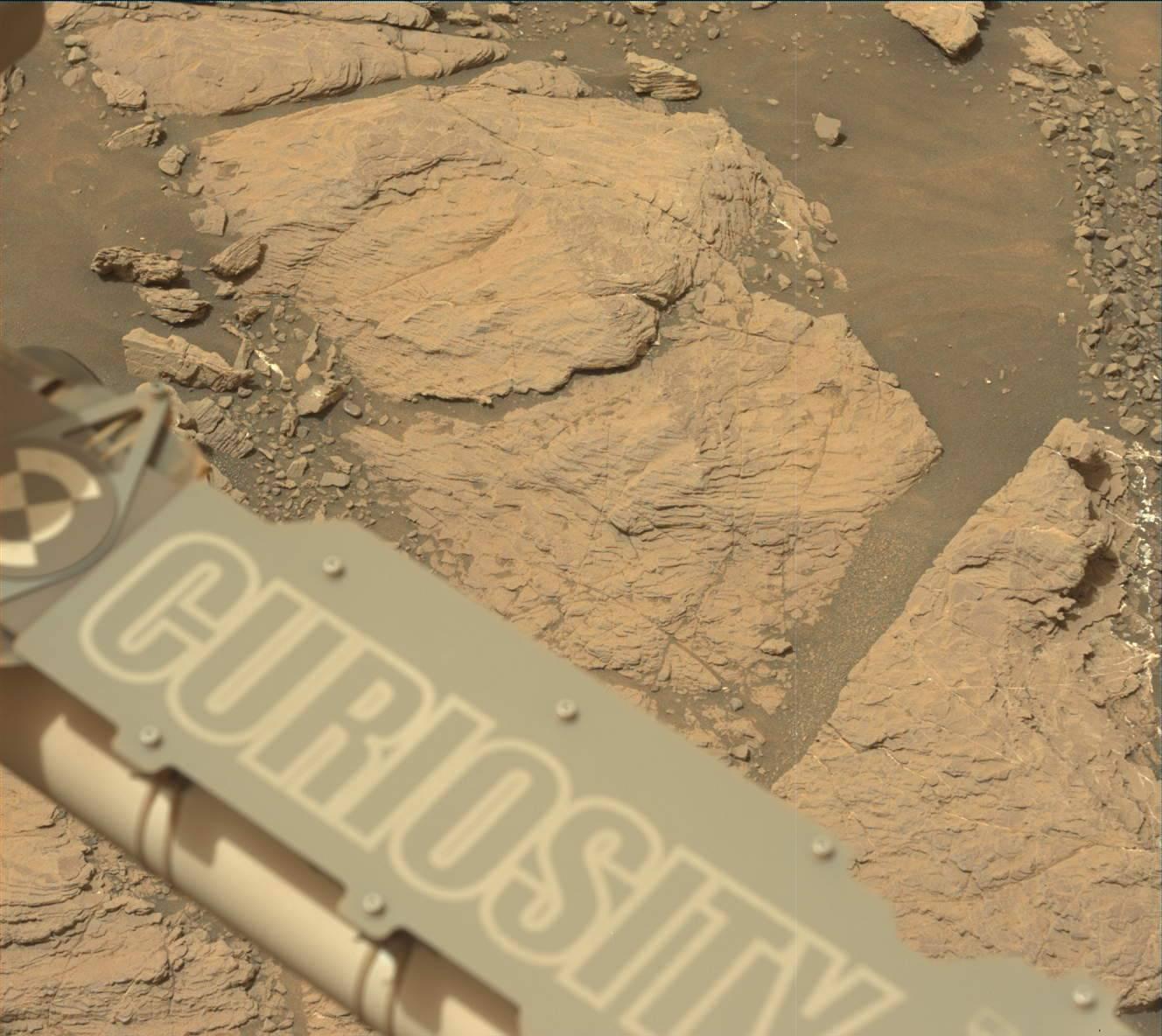
Glen Torridon sits in a clay-bearing band of Mount Sharp that Curiosity scientists had targeted since before the rover's landing. Clay minerals form in liquid water and tend to shield organic molecules from the radiation and oxidants that erase carbon chemistry elsewhere on the Martian surface. The Mary Anning area was identified as one of the few places on Curiosity's traverse where organic matter had the best chance of surviving billions of years of exposure.
"This collection of organic molecules once again increases the prospect that Mars offered a home for life in the ancient past," said Curiosity project scientist Ashwin Vasavada of NASA's Jet Propulsion Laboratory.
What the finding is not
The paper is explicit that the detections cannot distinguish between organic molecules produced by ancient biology, those formed through abiotic geochemistry, and those delivered to Mars by meteorites. Benzothiophene in particular is common in carbonaceous meteorites. What the experiment does establish is that Mars's shallow subsurface can preserve complex, large organic molecules over geologic timescales — a condition sample-return missions have been designed around but had not previously confirmed with a molecule as structurally complex as a nitrogen heterocycle.
What's next
Curiosity has already used its second and final TMAH cup, this time on samples from the "boxwork ridges" — a web of mineralized fractures in Mount Sharp's sulfate-bearing unit formed by ancient groundwater. The mission team has not yet published those results. No future Mars mission currently carries TMAH; the Perseverance rover, operating in Jezero Crater, is collecting samples for eventual return to Earth but does not have a wet chemistry lab of its own.
Primary sources
- Williams, A. et al. (2026), "Diverse organic molecules on Mars revealed by the first SAM TMAH experiment," Nature Communications (DOI: 10.1038/s41467-026-70656-0)
- NASA JPL, "NASA's Curiosity Finds Organic Molecules Never Seen Before on Mars" (April 21, 2026)
- University of Florida News, "Mars rover detects never-before-seen organic compounds in new experiment" (April 21, 2026)