Carney's Liberals Sweep Three By-Elections to Clinch a Majority Government
Canadian PM Mark Carney secured a majority in the House of Commons after Liberals won all three federal by-elections on April 13, reaching 174 seats and locking in governance until as late as October 2029.
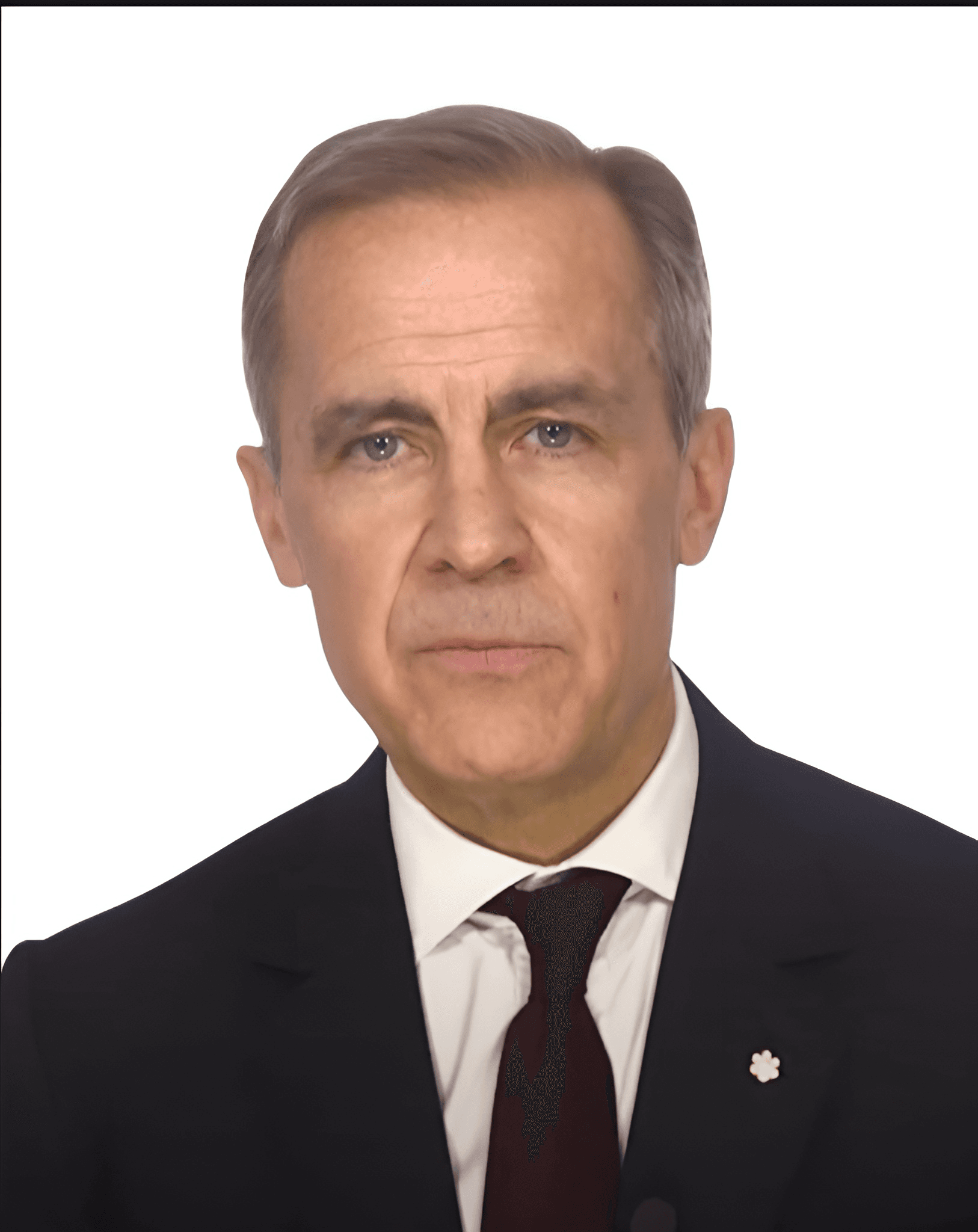
Canadian Prime Minister Mark Carney clinched a majority government on Monday night after his Liberal Party swept all three federal by-elections, bringing the Liberal caucus to 174 seats in the 343-seat House of Commons.
The results were decisive in Ontario and razor-close in Quebec.
Results
| Riding | Liberal | Runner-up | Margin | Turnout |
|---|---|---|---|---|
| Scarborough Southwest (ON) | Doly Begum, 69.9% | Diana Filipova (CPC), 18.4% | +51.5 pts | 33.5% |
| University--Rosedale (ON) | Danielle Martin, 64.4% | Serena Purdy (NDP), 18.9% | +45.5 pts | 33.0% |
| Terrebonne (QC) | Tatiana Auguste, 48.4% | Nathalie Sinclair-Desgagne (BQ), 46.8% | +731 votes | 50.8% |
The two Toronto-area ridings were comfortable wins. Terrebonne, a Montreal-area seat where the 2025 general election result was annulled by the Supreme Court of Canada, was a genuine contest: Auguste edged the Bloc Quebecois candidate by just 731 votes out of more than 46,000 cast.
What the majority means
With 174 seats, the Liberals hold a two-seat cushion above the 172 needed for a majority. The government is no longer vulnerable to confidence votes, removing the leverage opposition parties held over Carney's minority government.
Carney can now govern with a stable mandate through the next scheduled general election in October 2029 -- though he retains the option to call an earlier vote if conditions favor it.
Conservatives' poor showing
The results were bleak for the Conservative Party. Their candidates finished second in Scarborough Southwest (18.4%) but fell to third in University-Rosedale (12.4%), behind the NDP. In Terrebonne, the Conservative candidate drew just 3.3% of the vote.
The by-elections were the first electoral test since Carney took over Liberal leadership and became Prime Minister, positioning himself as what supporters have called a "wartime leader" in the face of escalating trade tensions with the United States.
Context
Carney, a former governor of both the Bank of Canada and the Bank of England, entered politics amid a period of heightened US-Canada trade friction driven by the Trump administration's tariff escalation. His background in central banking and international finance has shaped a governing agenda focused on energy exports, trade diversification, and fiscal resilience.
The by-elections were announced on March 8 by Carney's office. Official results were published by Elections Canada as polls closed Monday night.