Iraq Elects Nizar Amedi President After Five-Month Constitutional Deadlock
Iraq's parliament elected Patriotic Union of Kurdistan nominee Nizar Amedi as the country's sixth post-Saddam president with 227 votes, ending a five-month impasse -- but the Kurdistan Democratic Party boycotted the vote and refuses to recognize the result.
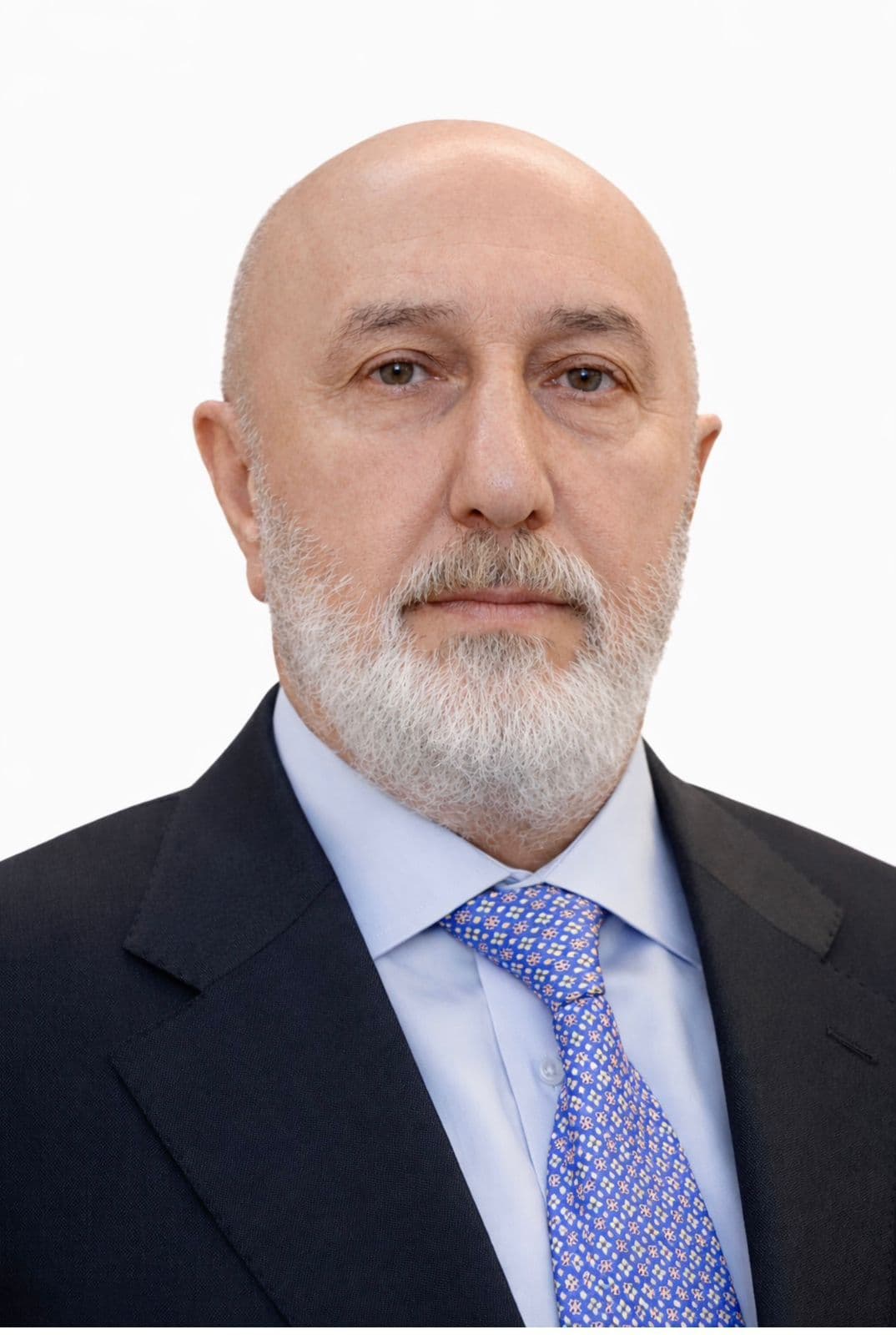
Iraq's Council of Representatives elected Nizar Amedi as president on Saturday, breaking a five-month constitutional deadlock that had paralyzed government formation since November's parliamentary elections. The 58-year-old PUK nominee won decisively in a second round of voting after no candidate cleared the required two-thirds threshold in the first.
Results
First round (two-thirds majority required, ~220 of 329 seats):
| Candidate | Party | Votes | Pct. |
|---|---|---|---|
| Nizar Amedi | PUK | 208 | 82.5% |
| Muthanna Amin | Kurdistan Islamic Union | 17 | 6.7% |
| Fuad Hussein | KDP | 16 | 6.3% |
| Abdullah Al-Ulawi | Independent | 2 | 0.8% |
| Invalid | — | 9 | 3.6% |
252 of 329 representatives present (76.6%)
Second round (simple plurality):
| Candidate | Votes | Pct. |
|---|---|---|
| Nizar Amedi | 227 | 90.1% |
| Muthanna Amin | 15 | 6.0% |
| Invalid | 7 | 2.8% |
249 of 329 representatives present
The Fracture
The lopsided result masks a deeper crisis. The Kurdistan Democratic Party -- historically the PUK's partner in Kurdish politics -- boycotted the vote entirely, along with the State of Law Coalition and the Azem Alliance. The KDP had pushed former Foreign Minister Fuad Hussein as its candidate, challenging the informal convention that the presidency belongs to a PUK nominee. Hussein received just 16 votes in the first round before the boycott took hold.
The KDP has refused to recognize the outcome, claiming violations of parliamentary regulations. This marks a significant break in the Kurdish political consensus that has held, however imperfectly, since the post-2003 power-sharing arrangement was established.
Who Is Amedi
Amedi is a career civil servant, not a political celebrity. An engineer by training -- he graduated from the University of Mosul in 1993 -- he spent two decades in the machinery of the Iraqi presidency before holding his own portfolio. He served as personal secretary to President Jalal Talabani from 2005 to 2008, then as chief of staff during the remainder of Talabani's presidency. He continued in senior advisory roles under subsequent presidents before serving as Minister of Environment from 2022 to 2024.
His predecessor, Abdul Latif Rashid, was eligible to run again but withdrew before voting.
After taking the constitutional oath at Al-Salam Palace in Baghdad, Amedi pledged to work with all three branches of government under the principle of "Iraq First."
What Happens Now
The presidency in Iraq is largely ceremonial -- the real power lies with the prime minister. Under the constitution, Amedi has 15 days to formally task the nominee of the largest parliamentary bloc with forming a cabinet. That nominee then has 30 days to assemble a government and win parliament's confidence.
The fight over the presidency was, in part, a proxy for the more consequential question: who becomes prime minister. The five-month delay since the November 2025 parliamentary elections was driven less by disagreement over the presidency itself than by the Coordination Framework -- the largest Shia bloc -- failing to reach consensus on a prime minister candidate. The KDP's refusal to recognize Amedi's election could further complicate cabinet formation.
Iraq's informal power-sharing arrangement, known as muhasasa, distributes the three top positions along sectarian lines: the presidency goes to a Kurd, the prime ministership to a Shia Arab, and the parliamentary speakership to a Sunni Arab. This convention has held since 2003 but has no constitutional basis, and each cycle tests whether it will survive the next round of negotiations.