Stampede at Haiti's Citadelle Laferrière Kills at Least 30 During Easter Gathering
A crush at the entrance to the UNESCO World Heritage fortress near Milot killed at least 30 people on Saturday, with the death toll expected to rise as rescue teams search for the missing.
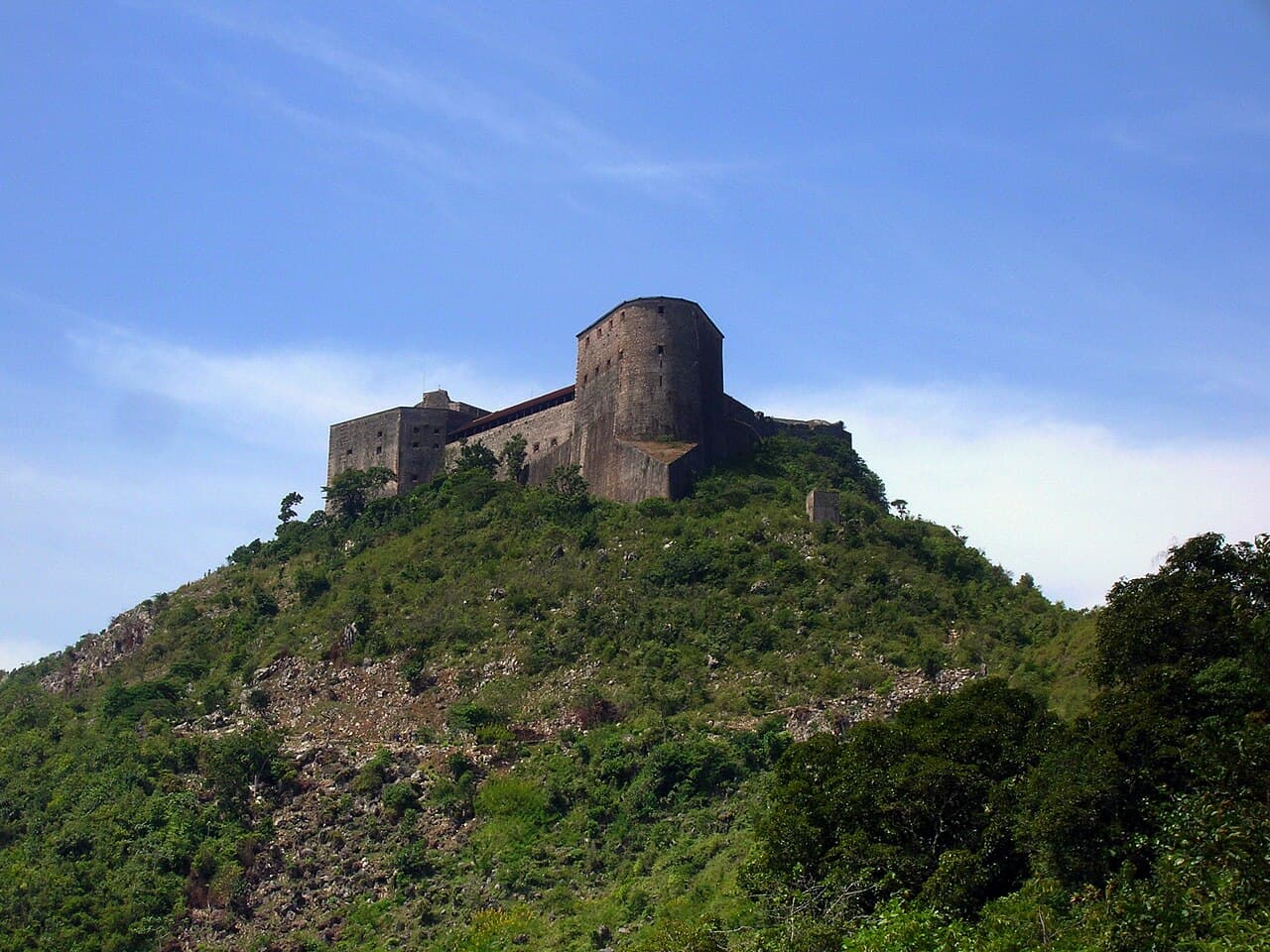
At least 30 people were killed in a stampede at the Citadelle Laferrière in northern Haiti on Saturday, April 11, when a crush broke out at the entrance to the 19th-century mountaintop fortress during an annual Easter celebration.
Culture Minister Emmanuel Menard confirmed the death toll. Jean Henri Petit, head of civil protection for Haiti's Nord department, told Le Nouvelliste that the toll could rise further due to the large number of people reported missing.
The fortress was packed with students and visitors who had gathered for annual celebrations at the site, which was designated a UNESCO World Heritage Site in 1982. With only one entrance available, a scuffle broke out between those trying to enter and those trying to exit, triggering the deadly crush. Rain worsened the disaster.
Local media reported that police used tear gas to break up a fight near the Citadelle, which may have caused the initial panic that led to the stampede. Authorities have not confirmed this account.
Government response
Prime Minister Alix Didier Fils-Aimé said the government "learned with deep consternation" of the tragedy. In a statement, he extended condolences to the bereaved families and said "all competent authorities are fully mobilized and placed in a state of maximum alert in order to provide, without delay, assistance, care and necessary support to affected persons and their families."
The Culture Minister said the injured are receiving medical care and a rescue team is searching for missing persons. An official delegation was dispatched to the site on Sunday. The Citadelle has been closed to visitors until further notice.
The Citadelle
The Citadelle Laferrière -- also called Citadelle Henri -- is a massive stone fortress built on a mountaintop near the town of Milot in Haiti's Nord department. Constructed between 1805 and 1820 by Henri Christophe after Haiti won independence from France in 1804, it is the largest fortress in the Americas and one of Haiti's most recognizable landmarks.
UNESCO inscribed it as a World Heritage Site in 1982 alongside the nearby Palace of Sans-Souci and the Site of Ramiers. It draws both Haitian and international visitors, and annual Easter gatherings at the site are a longstanding tradition.
The disaster comes as Haiti continues to grapple with widespread gang violence and an increasingly deadly security crackdown. The country has been governed by a transitional council since early 2024, with Prime Minister Fils-Aimé appointed in November of that year.