Japan's Cabinet Scraps Ban on Lethal Weapons Exports, Ending a Policy in Place Since 1967
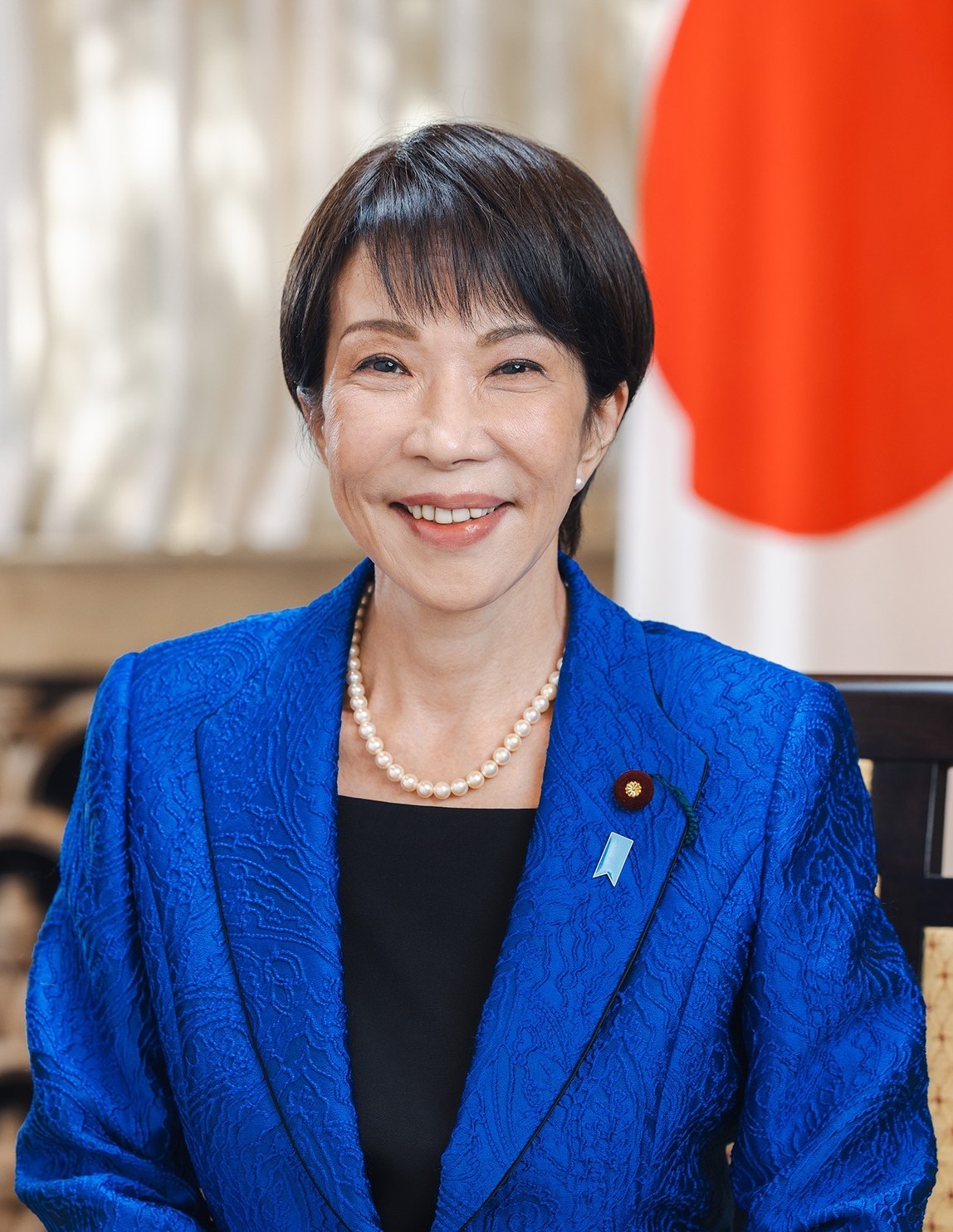
Prime Minister Sanae Takaichi's cabinet approved a revision to Japan's Three Principles on Transfer of Defense Equipment on Tuesday, eliminating the five noncombat categories that had restricted exports to rescue, transport, warning, surveillance and minesweeping equipment. Lethal systems including warships, missiles and fighter jets can now be transferred to the 17 countries with defense technology agreements.
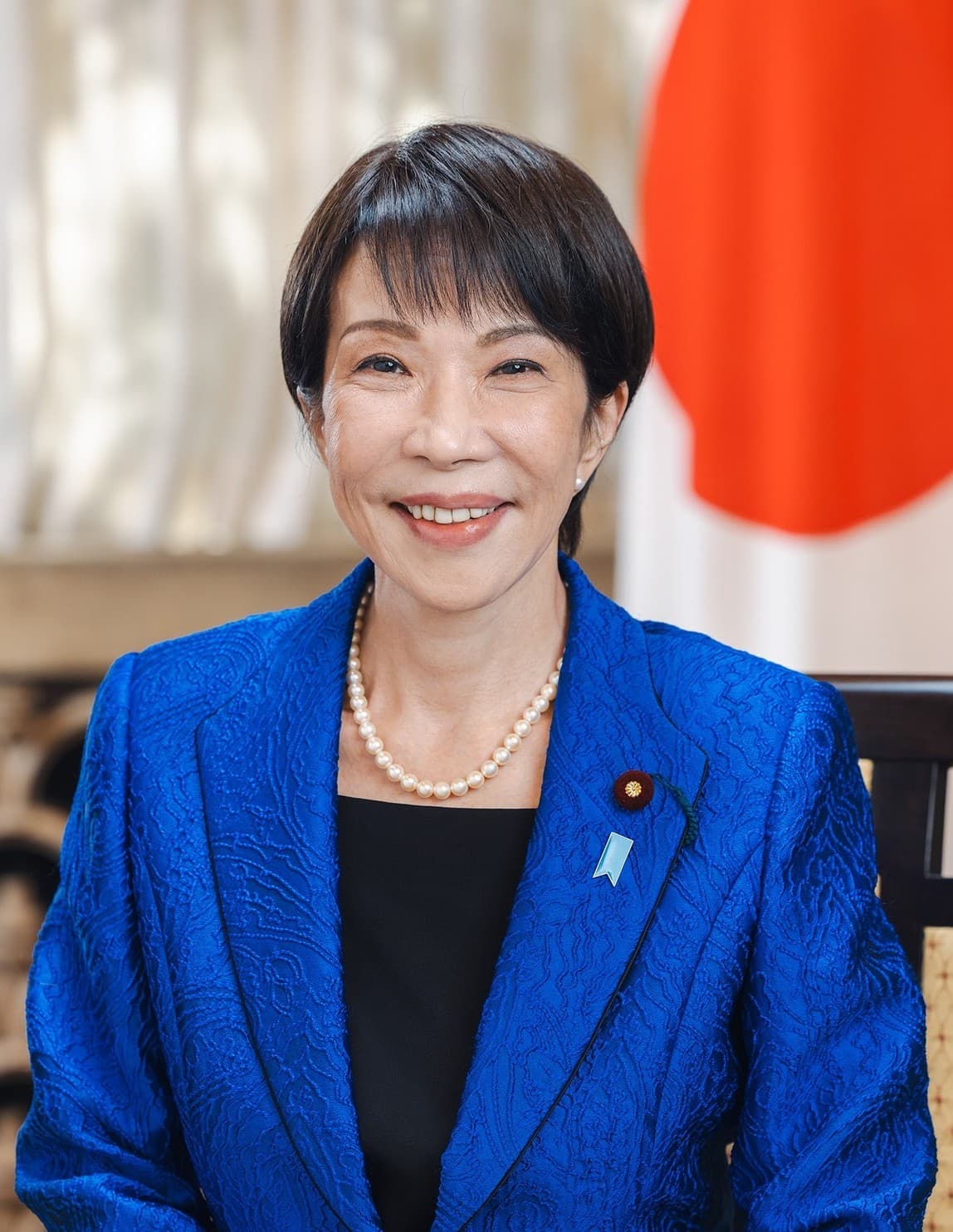
Chief Cabinet Secretary Minoru Kihara announced the decision at a Tuesday morning briefing in Tokyo: "Today, at a cabinet meeting, a decision was made to amend some of the three principles for arms exports." The revision lifts a self-imposed ban on lethal weapons exports that Japan has maintained in some form since 1967, when Prime Minister Eisaku Sato first articulated what became the foundational doctrine of Japan's post-war defense posture.
What the Revision Does
The amended Three Principles on Transfer of Defense Equipment and Technology, published Tuesday by the Ministry of Economy, Trade and Industry, eliminates the "five categories" system that had confined Japanese defense exports to noncombat purposes: rescue, transport, warning, surveillance and minesweeping.
In its place, the revised guidelines split defense equipment into two classes:
- Weapons: lethal systems such as warships, missiles, tanks and fighter jets
- Non-weapons: radars, protective gear and other nonlethal equipment
Weapons transfers now require approval by the National Security Council, which includes the prime minister and relevant ministers, and are limited to countries that have signed defense equipment and technology transfer agreements with Japan. Seventeen such agreements currently exist, including with the United States, the United Kingdom, Australia, France, Germany, Italy, India, the Philippines, Indonesia, Vietnam, Malaysia and South Korea. Non-weapons may be exported more broadly.
Exports to countries where armed conflict is actively taking place remain prohibited in principle. The revised guidelines, however, carve out exceptions for "special circumstances" that take Japan's national security needs and U.S. military operations in the Indo-Pacific into account.
Who's Affected
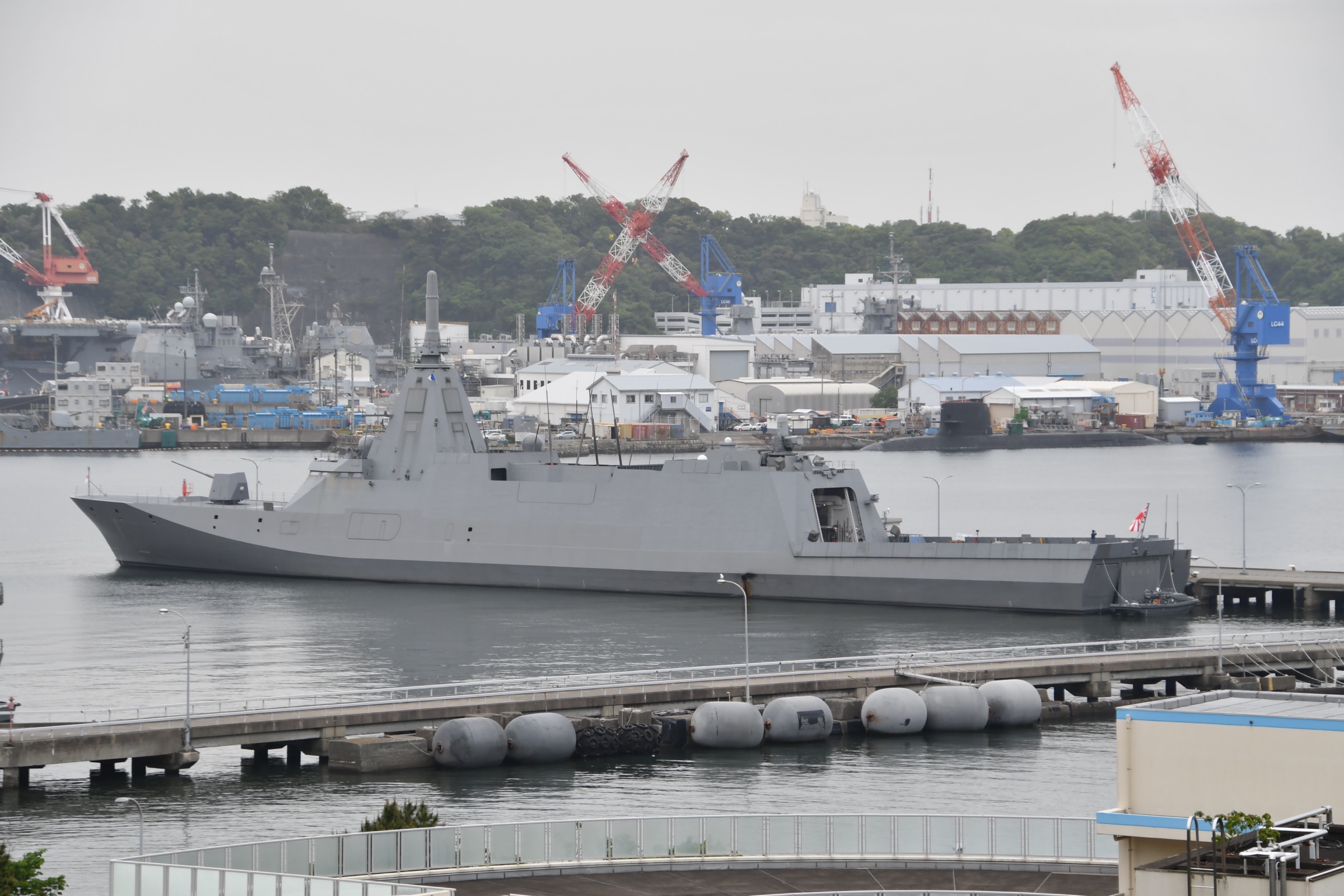
The immediate beneficiary is Australia, which signed a roughly $7 billion contract earlier this year to acquire three upgraded Mogami-class frigates built by Mitsubishi Heavy Industries. The deal is the largest defense export agreement Japan has ever concluded and was structured in anticipation of the rule change announced Tuesday.
The revised framework also clears the way for exports from the Global Combat Air Programme (GCAP), the sixth-generation fighter jet Japan is jointly developing with the United Kingdom and Italy. Under the rules announced Tuesday, GCAP exports remain a special case: each transfer requires separate full cabinet approval rather than NSC review alone.
For Japan's defense industry — historically constrained to a domestic-only customer base and struggling with scale — the change opens export markets that Mitsubishi Heavy Industries, Kawasaki Heavy Industries, IHI and Subaru have lobbied for since the first partial relaxation of the principles in 2014.
Countries Japan is not prohibited from arming but lacks existing transfer agreements with — a list that includes Ukraine — would need to conclude bilateral defense equipment and technology deals before becoming eligible. Ukrainian officials have expressed interest.
What's Next
The revised operational guidelines take effect immediately. The National Security Council will begin reviewing specific export decisions on a case-by-case basis, with post-transfer monitoring requirements intended to prevent re-export to third countries. The Ministry of Foreign Affairs stated the government will "confirm how transferred equipment is managed" by recipient countries to prevent diversion.
Diet debate over the revisions has been muted by the collapse in October 2025 of the LDP's coalition with Komeito, which had historically served as a brake on defense export liberalization. Takaichi, who became Japan's first female prime minister on October 21, 2025 after Komeito's exit from the coalition, has pushed defense policy further than any recent Japanese leader.
China responded sharply. Foreign Ministry spokesman Guo Jiakun told reporters in Beijing that "the international community will firmly resist Japan's reckless new-style militarisation," invoking language Beijing has previously reserved for what it characterizes as violations of Japan's post-war commitments.
Background
Japan's restrictions on weapons exports originated in 1967, when Prime Minister Sato declared that Japan would not export arms to communist-bloc countries, countries subject to UN embargoes, or countries involved in or likely to become involved in international conflicts. In 1976, Prime Minister Takeo Miki broadened the policy into what became a near-total ban on arms exports of any kind — a voluntary extension that held for nearly four decades.
The first substantive relaxation came in 2014 under Prime Minister Shinzo Abe, who replaced the ban with the original version of the Three Principles on Transfer of Defense Equipment and Technology. That framework permitted exports only when they contributed to peace, international cooperation or Japan's own security, and limited finished products to non-lethal categories.
A December 2023 revision allowed Japan to export Patriot PAC-3 interceptor missiles to the United States to help backfill U.S. stocks depleted by transfers to Ukraine. The April 21, 2026 revision is the largest shift in the policy's history and effectively completes the process of normalizing Japan as a defense-exporting state.