Myanmar's Coup Leader Commutes All Death Sentences in First Week as President
One week after being sworn in as civilian president, Min Aung Hlaing ordered all death sentences commuted to life imprisonment and freed former president Win Myint, while the ICC weighs an arrest warrant for crimes against humanity.
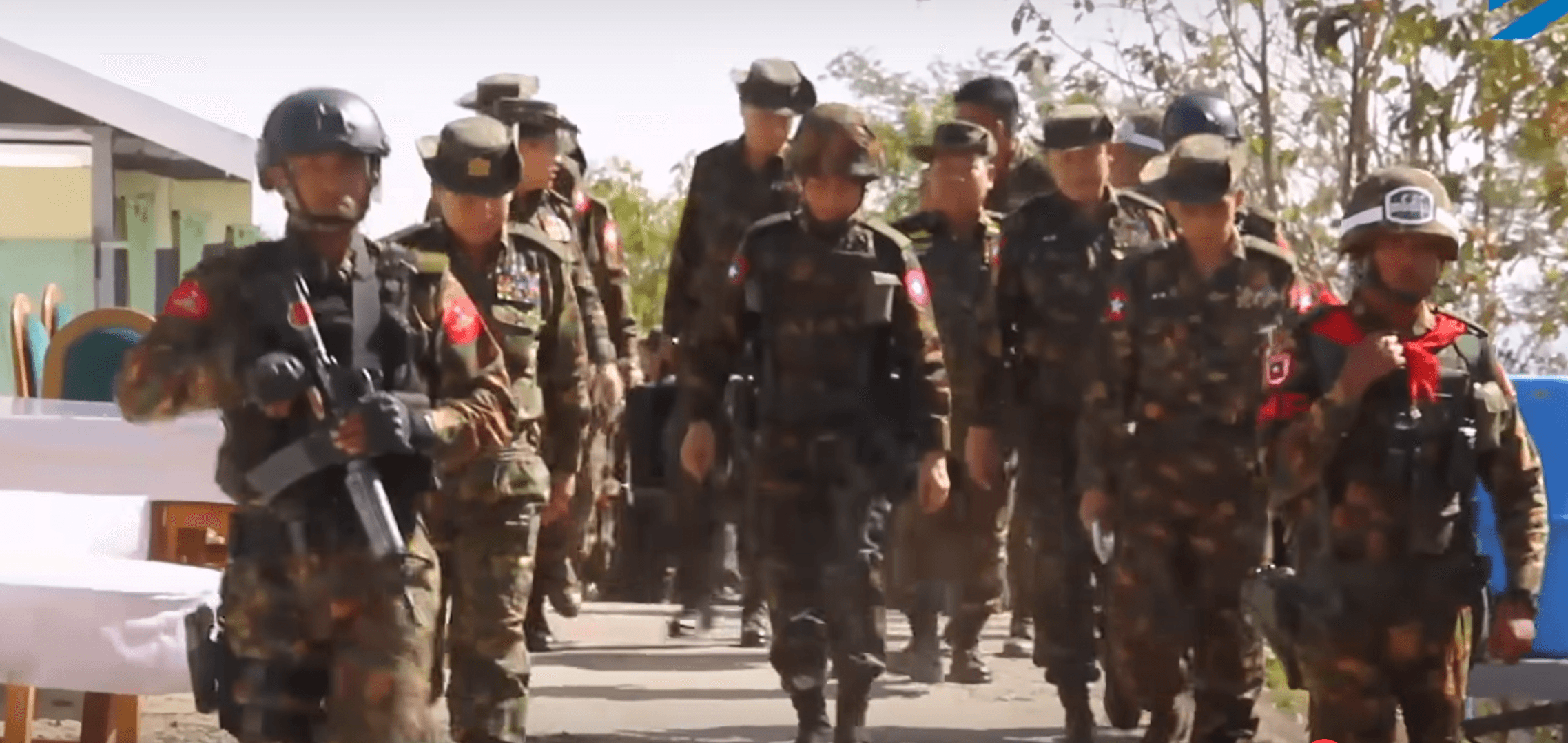
Min Aung Hlaing, the general who seized power in Myanmar's February 2021 coup, ordered all death sentences commuted to life imprisonment on Friday -- his first major act one week after being sworn in as the country's civilian president.
The amnesty, announced by state broadcaster MRTV to mark Myanmar's Thingyan new year, pardoned 4,335 prisoners and 179 foreign nationals. Life sentences were reduced to 40-year terms. All other sentences under 40 years were cut by one-sixth.
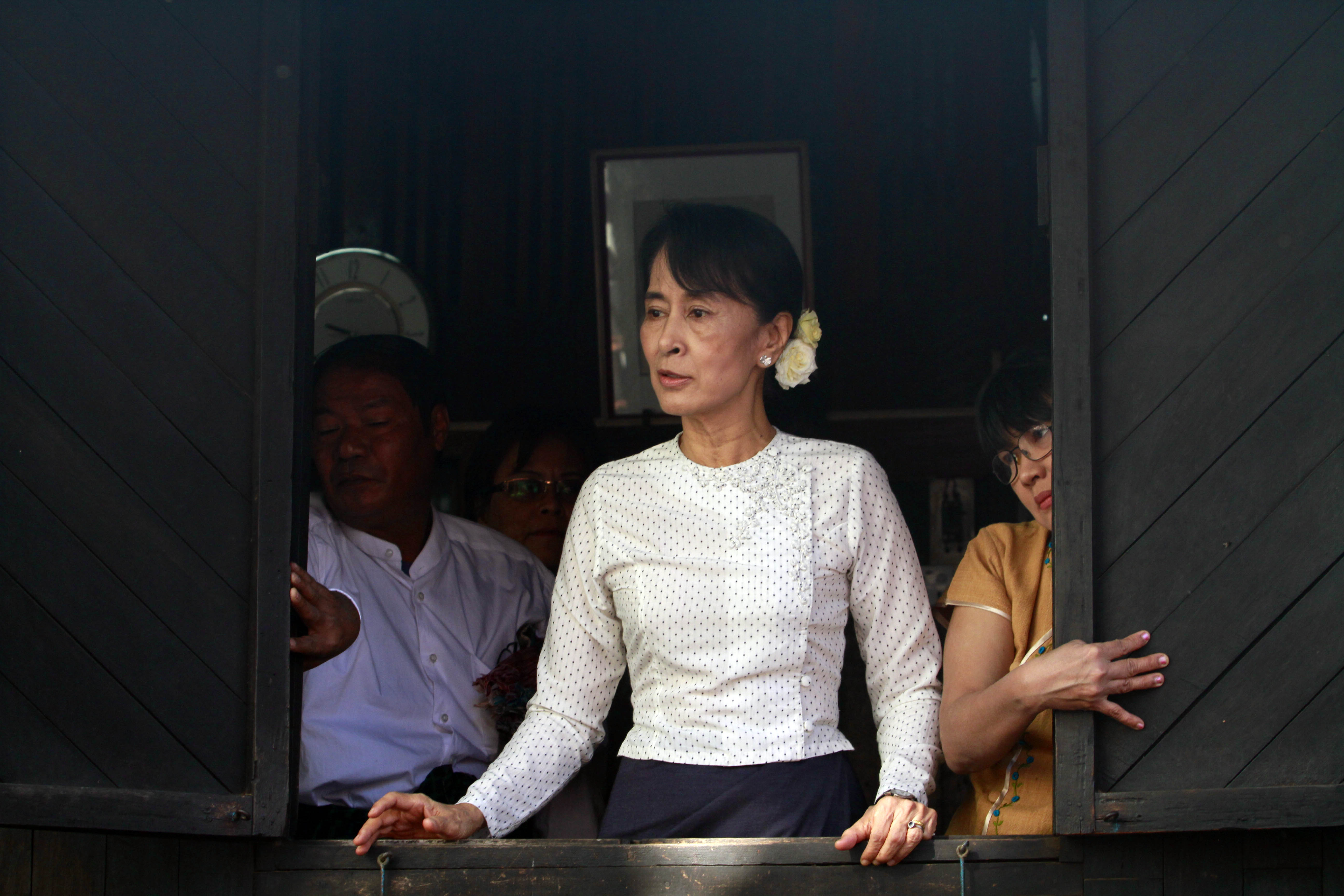
Among those freed: former president Win Myint, imprisoned since the day of the coup. Aung San Suu Kyi, the Nobel laureate whose elected government Min Aung Hlaing overthrew, had her 27-year sentence reduced by roughly four and a half years. She remains in detention.
The Amnesty
The commutation covers more than 130 people sentenced to death since 2021, when the junta resumed executions after decades without carrying them out. Myanmar executed four political prisoners in July 2022 -- the country's first judicial killings in more than 30 years -- drawing international condemnation from the UN and human rights organizations.
State media framed the amnesty as intended "to bring peace and humanity to the public and enable the pardoned individuals to participate in nation-building." Pardoned individuals who reoffend must serve both new sentences and the remainder of previous ones. Foreign prisoners were expelled from the country.
This is the third mass release in six months. In previous rounds, less than 14% of those freed were political prisoners, according to the Institute for Strategy and Policy Myanmar.
The Presidency
Min Aung Hlaing was sworn in on April 10 after winning 429 of 584 votes in a parliament dominated by military appointees. More than two-thirds of his 30-member cabinet are either active or retired military officers. Representatives from China, India, Thailand, and 20 other countries attended the ceremony.
"Myanmar has returned to the path of democracy and is heading towards a better future," he said in his inauguration address.
Democracy watchdogs reject the characterization. Amnesty International's Myanmar researcher Joe Freeman said the presidency "must not shield Min Aung Hlaing from being held accountable" for grave violations of international law, adding: "No individual should have immunity from prosecution for crimes under international law, no matter their position."
What's at Stake
The ICC's chief prosecutor filed an arrest warrant application against Min Aung Hlaing in November 2024 for crimes against humanity -- specifically the deportation and persecution of the Rohingya people during a 2017 military campaign in Rakhine State. The application remains pending before the Pre-Trial Chamber.
Since the 2021 coup, more than 7,000 civilians have been killed. Over 30,000 have been detained for political reasons, according to the Assistance Association for Political Prisoners. More than 22,000 political detainees remain in custody.
What Happens Next
Min Aung Hlaing has pledged to hold a general election by the end of 2026, though previous election promises have been repeatedly postponed. An ICC arrest warrant would constrain his ability to travel internationally -- the court has jurisdiction in any of its 124 member states.
The amnesty gestures toward clemency, but the scale of ongoing detention tells a different story. With Suu Kyi still imprisoned and more than 22,000 political detainees behind bars, the commutation of death sentences coexists with one of the largest campaigns of political imprisonment in Southeast Asian history.