Pentagon Publishes $3.6 Billion Notification for Qatar Radar Iran Destroyed in March
The Federal Register published a $1.6 billion enhancement to Qatar's AN/FPS-132 early warning radar -- the same phased-array system Iran struck at Umm Dahal on March 3. The notification was filed with Congress three weeks before the war began.
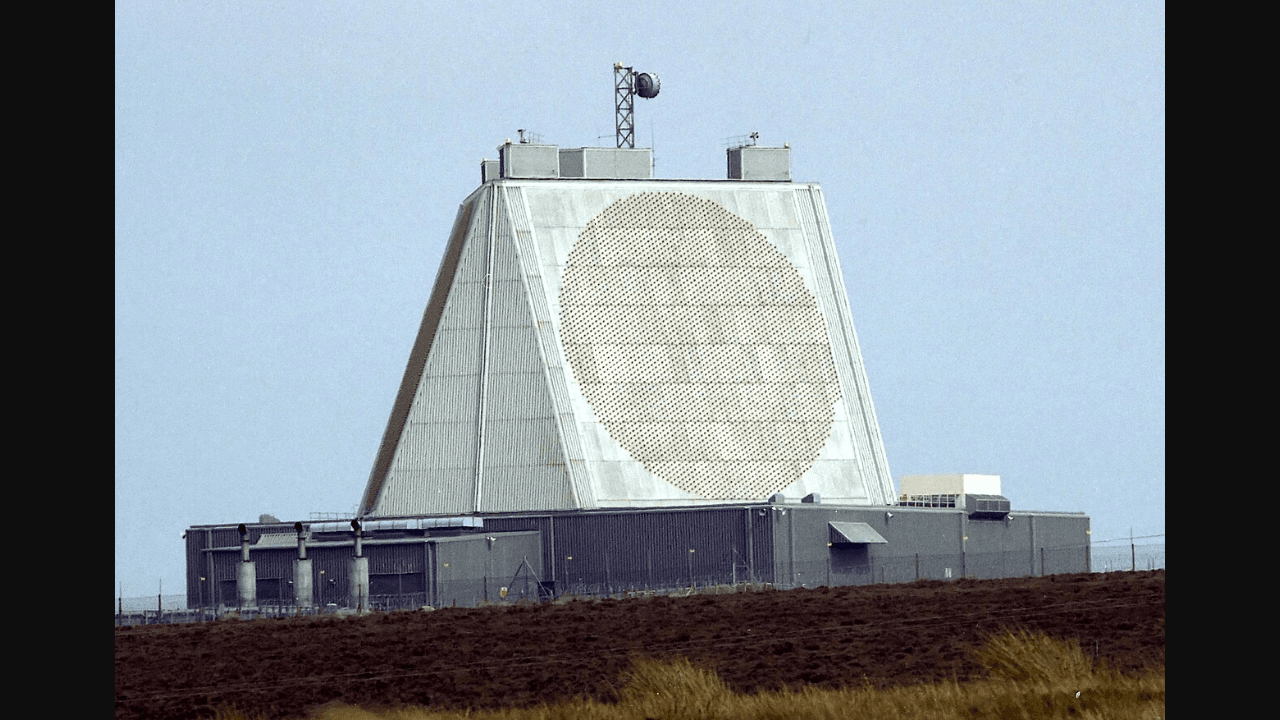
The Department of Defense published a $3.6 billion arms sale notification in the Federal Register on Tuesday for Qatar's AN/FPS-132 early warning radar -- the same ballistic missile detection system that Iran struck and severely damaged six weeks ago during Operation Epic Fury.
Transmittal 25-1S, a Section 36(b)(5)(C) enhancement notification, adds $1.6 billion in contractor logistics support, repair and return services, transportation support, and related program elements to an existing foreign military sale. The addition raises the total case value to $3.6 billion, up from roughly $2 billion across prior modifications dating to the original 2013 sale.
The notification was delivered to Congress on February 5, 2026 -- 23 days before the United States and Israel launched the first strikes on Iran. It was an already-planned upgrade, filed before anyone knew the radar would need rebuilding from scratch.
The system Iran hit
The AN/FPS-132 is a solid-state phased-array radar built by Raytheon (now RTX), stationed at Umm Dahal near Al Udeid Air Base -- the largest U.S. military installation in the Middle East and CENTCOM's forward headquarters. Operating in the ultra-high frequency band, it can detect and track ballistic missiles at ranges up to 5,000 kilometers, feeding targeting data to THAAD, Patriot, and naval missile defense systems across the Gulf.
On March 3, during Iran's retaliatory strikes, an Iranian missile penetrated Qatar's air defenses and struck the radar installation. Satellite imagery from Planet Labs, published by The Aviationist on April 11, provided the clearest confirmation of extensive damage to the massive phased-array face and its support infrastructure.
Neither the United States nor Qatar has publicly detailed the full extent of the damage. Iran's Islamic Revolutionary Guard Corps claimed the system was destroyed.
A five-to-eight year gap
Defense analysts estimate rebuilding an AN/FPS-132 takes five to eight years and costs approximately $1.1 billion in base equipment alone. Each installation requires unique components, specialized calibration, and years of engineering -- there is no off-the-shelf replacement for a strategic early warning radar.
The Qatar radar was one of only four AN/FPS-132 systems deployed worldwide, alongside installations at Beale Air Force Base in California, RAF Fylingdales in the United Kingdom, and Pituffik Space Base in Greenland. It was the only one positioned to cover the Middle East, providing ballistic missile launch detection across a coverage arc extending deep into Iran.
With the Umm Dahal radar damaged, the U.S. missile defense architecture in the Gulf loses its primary long-range sensor layer. Interceptor batteries like THAAD and Patriot can still launch, but with less time, fewer track updates, and reduced confidence in the engagement picture.
The broader toll
The AN/FPS-132 was not the only system Iran targeted. In the opening days of Operation Epic Fury, Iranian ballistic missiles also struck radar installations in Bahrain, the UAE, Saudi Arabia, and Jordan -- a systematic campaign against the sensor layer of the U.S.-allied defense network. The total damage to radar and missile defense systems across the Gulf exceeded $2 billion.
The ceasefire that took effect on April 8 paused active hostilities. The infrastructure gap will persist far longer. The Federal Register notification published Tuesday is the first formal step in what will be a years-long reconstruction of the missile defense architecture that Iran dismantled in days.
The notification
Transmittal 25-1S was dated April 10, 2026, and published in the Federal Register, Vol. 91, No. 72, on April 15. The original 2013 sale covered the AN/FPS-132 Block 5 radar; a 2015 modification upgraded it to the Block 15 variant. This latest enhancement adds non-major defense equipment items: contractor logistics support, repair and return services, transportation, and related program support -- precisely the infrastructure needed to rebuild a destroyed installation.
The Defense Security Cooperation Agency maintains the full notification on its major arms sales page. The principal contractor is Raytheon, now a division of RTX Corporation.