Philippines Says Lab Tests Confirm Cyanide in Bottles Seized From Chinese Boats at Second Thomas Shoal
The Philippine National Security Council accused Chinese fishermen of deliberate "sabotage" after laboratory analysis confirmed cyanide in bottles seized near Manila's outpost in the disputed South China Sea. China's foreign ministry dismissed the charge as a "stunt."
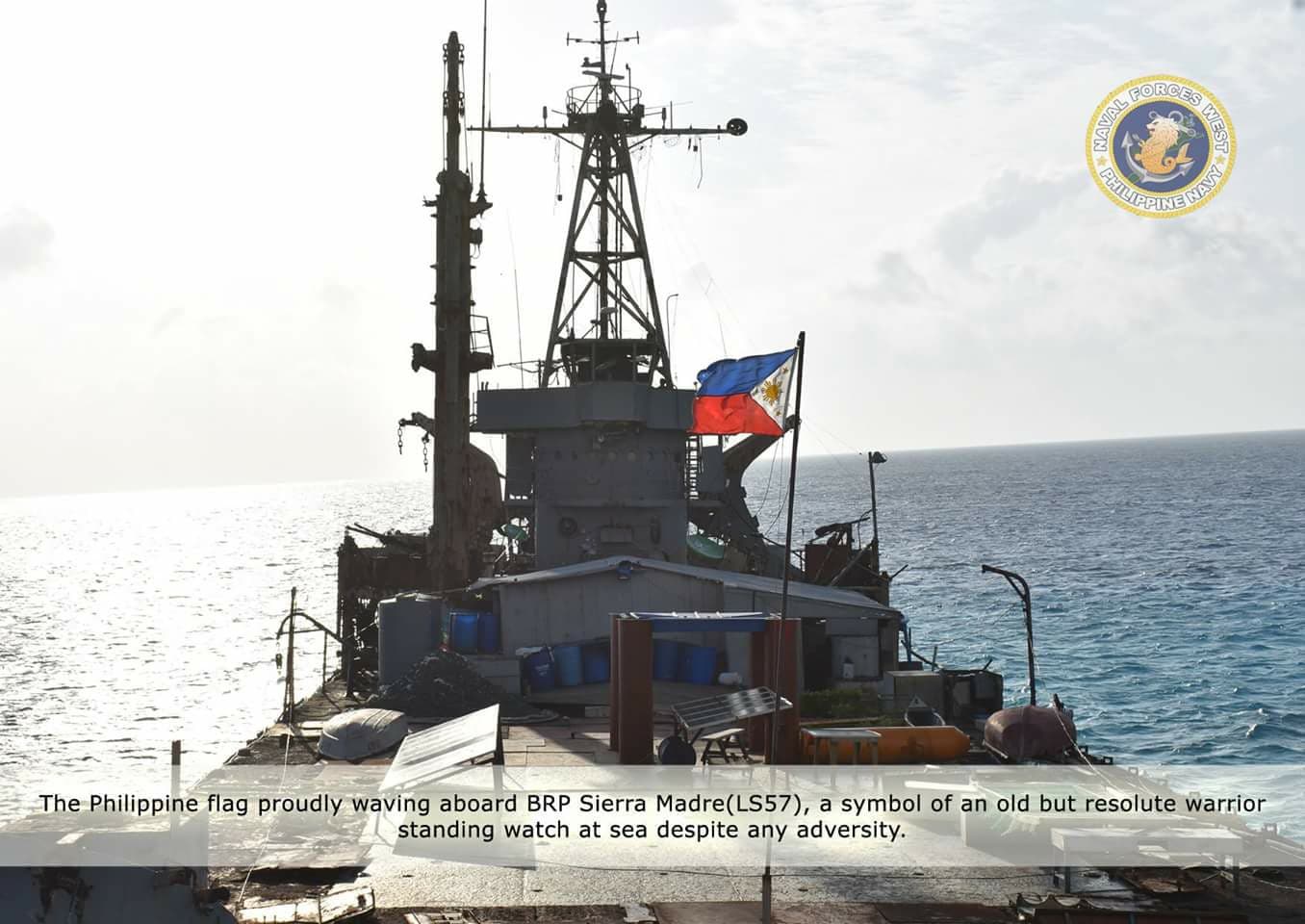
The Philippine government announced that laboratory tests confirmed the presence of cyanide in bottles seized from Chinese fishing boats operating near Second Thomas Shoal, one of the most contested flashpoints in the South China Sea. The National Security Council called it an act of deliberate sabotage.
"The yellow bottles seized from the sampans contain cyanide, a highly toxic chemical known to cause severe damage to human and maritime systems," NSC Assistant Director General Cornelio Valencia Jr. said at a press conference on April 13.
China's foreign ministry rejected the allegation within hours. "The Philippine side illegally harassed the Chinese fishing boats conducting normal fishing, grabbed the fishermen's living supplies, and staged this so-called cyanide stunt," spokesperson Guo Jiakun said at a regular press conference. "There is no credibility whatsoever to their story."
The Evidence
Rear Admiral Roy Vincent Trinidad, the Philippine Navy's spokesman, confirmed that Filipino troops seized 10 bottles of cyanide from sampan boats launched from Chinese fishing ships on three occasions: February 20, July, and October 24, 2025. The bottles were recovered near the BRP Sierra Madre, a WWII-era warship that the Philippines deliberately grounded on the shoal in 1999 as a military outpost.
Soldiers also observed a Chinese sampan crew poisoning waters near the shoal in March 2026. Subsequent testing of the waters confirmed cyanide contamination. No Filipino troops have tested positive for poisoning.
Why It Matters
Valencia framed the cyanide as a dual-purpose weapon: "The use of cyanide on Ayungin Shoal is a form of sabotage that seeks to kill local fish populations, depriving Navy personnel of a vital food source." He added that long-term cyanide exposure could damage the reef itself, potentially "compromising LS-57's structural foundations" -- the military designation for the Sierra Madre.
The calculus is straightforward. The BRP Sierra Madre depends on the reef beneath it for structural support, and the Filipino marines stationed aboard depend on local fish for sustenance. Poison the fish and weaken the reef, and the outpost becomes harder to maintain -- without China ever having to forcibly remove it.
The Competing Claims
Second Thomas Shoal sits within the Philippines' 200-nautical-mile exclusive economic zone but 1,300 kilometers from mainland China. In 2016, the Permanent Court of Arbitration in The Hague ruled that China's expansive claims in the South China Sea had no legal basis -- a ruling Beijing has refused to recognize.
Guo reasserted China's position at the press conference: "Ren'ai Jiao is part of Nansha Qundao and belongs to China. The Philippines illegally grounded its vessel on Ren'ai Jiao and has caused great damage to the eco-environment there."
What Happens Next
The NSC said it has ordered increased navy and coast guard patrols around the shoal. Valencia announced that the council would submit a report to the Philippine Department of Foreign Affairs next week for a potential diplomatic protest.