House Passes ALERT Act 396-10, Mandating Collision Avoidance Tech After Reagan National Crash
The bill requires aircraft near busy airports to carry ADS-B In collision detection systems by 2031 -- technology the NTSB has recommended 18 times and says would have prevented the January 2025 crash that killed 67 people. It now moves to a Senate that wants stricter provisions.
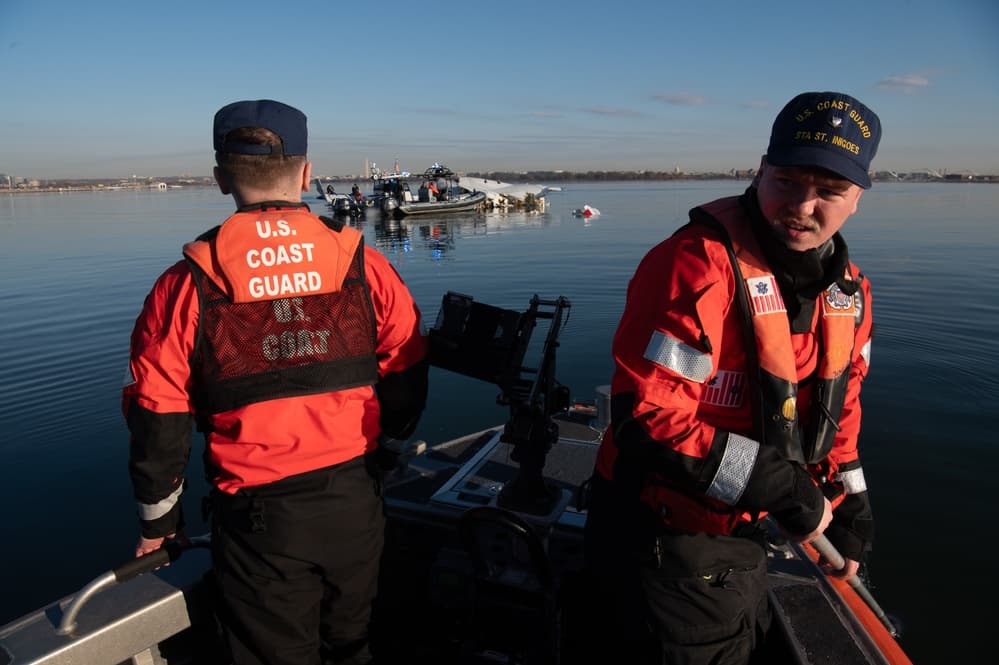
The House passed the ALERT Act 396-10 on Tuesday, mandating that aircraft operating near busy airports carry Automatic Dependent Surveillance-Broadcast In (ADS-B In) technology and next-generation collision avoidance systems by December 31, 2031. The bill now heads to the Senate, where key lawmakers from both parties say it needs strengthening.
H.R. 7613 -- the Airspace Location and Enhanced Risk Transparency Act of 2026 -- is Congress's primary legislative response to the January 29, 2025 midair collision between PSA Airlines Flight 5342 and an Army Black Hawk helicopter near Reagan National Airport that killed all 67 people aboard both aircraft. The bill passed under suspension of the rules, requiring a two-thirds majority.
What the Bill Requires
The ALERT Act has two main mandates:
For commercial aviation: All aircraft currently required to carry ADS-B Out transmitters must also be equipped with ADS-B In receivers by the end of 2031. ADS-B Out broadcasts an aircraft's position; ADS-B In receives the position of nearby aircraft and displays it to pilots. Today, ADS-B Out is required in most controlled airspace, but ADS-B In -- the receiving half that gives pilots awareness of surrounding traffic -- is not.
For the military: The Department of Defense must enter an agreement with the Department of Transportation to use ADS-B Out as the default practice for military helicopters operating in the national airspace system, unless broadcasting would compromise operational security. For special mission DOD helicopters operating in the Washington, DC metropolitan area that are exempt from ADS-B Out, the Pentagon must conduct a safety risk assessment in coordination with DOT.
The bill also requires next-generation collision avoidance systems to be installed alongside ADS-B In to provide automated alerts when traffic conflicts develop.
The Technology Gap
The National Transportation Safety Board has recommended ADS-B In technology 18 times since 2008. NTSB Chairwoman Jennifer Homendy has said the collision would have been prevented if both the regional jet and the Black Hawk had been equipped with ADS-B In and the systems had been operating.
The NTSB's final report on the crash, issued January 27, 2026, identified 57 safety recommendations and found the probable cause was the FAA's placement of a helicopter route in close proximity to a runway approach path, the air traffic system's overreliance on visual separation, and the lack of effective visual separation by the helicopter crew.
The technology itself is not exotic. NTSB Chairwoman Homendy has noted that a capable ADS-B In receiver costs as little as $400 -- a GPS-based device that would have shown both flight crews each other's position in real time.
Senate Wants More
Senators Ted Cruz (R-TX) and Maria Cantwell (D-WA), the chair and ranking member of the Senate Commerce Committee, have both said the ALERT Act does not go far enough. Cruz stated the bill "would not deliver necessary safety measures to prevent another midair collision."
The Senate has its own version -- the ROTOR Act (S.2503) -- which is broader in scope and includes additional air traffic control reforms. The ROTOR Act fell one vote short of passing in the House, forcing lawmakers to advance the narrower ALERT Act instead.
Families of the 67 victims have also pushed for stricter provisions, particularly around the military exemption. They argue the bill still permits military flights to operate without broadcasting their locations during routine training missions -- the exact scenario that led to the January 2025 collision.
The Sponsors
The ALERT Act was introduced on February 20, 2026 by Representative Sam Graves (R-MO) and Representative Rick Larsen (D-WA), the chair and ranking member of the House Transportation and Infrastructure Committee. The 396-10 vote reflected broad bipartisan support, with industry groups including the National Business Aviation Association endorsing the bill.