Molotov Cocktail, Then Gunfire: Two Attacks on Sam Altman's Home in 48 Hours
San Francisco police arrested three suspects after a Molotov cocktail and then gunfire targeted the OpenAI CEO's Russian Hill home in separate incidents on April 10 and 12. The first suspect, charged with attempted murder, had posted online about AI driving humanity to extinction.
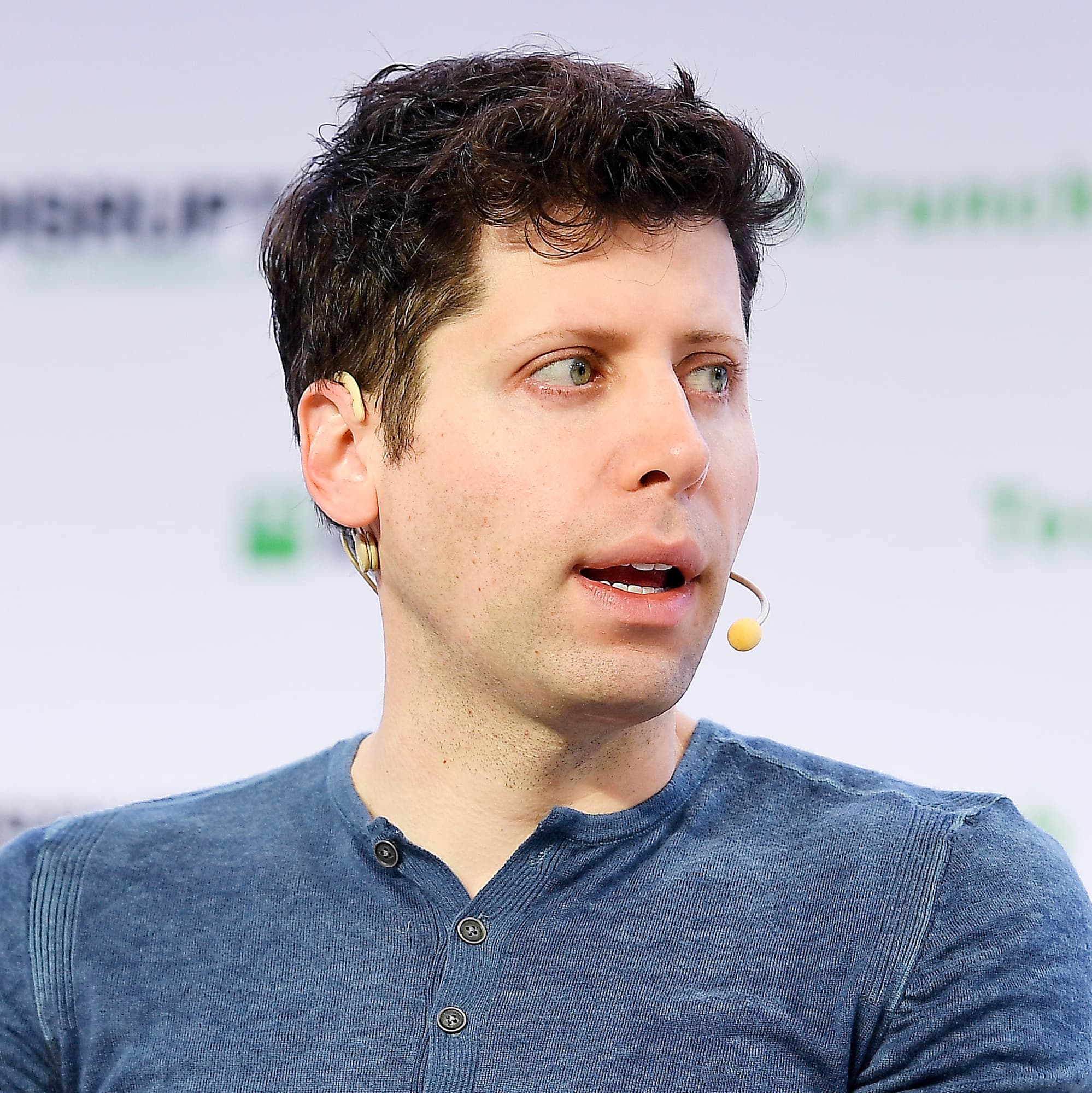
Two separate attacks hit OpenAI CEO Sam Altman's San Francisco home in less than 48 hours this past weekend, marking what may be the most violent escalation of anti-AI sentiment yet directed at a tech industry leader.
At approximately 3:40 a.m. on Friday, April 10, a 20-year-old man threw a bottle containing a flaming rag at the metal gate of Altman's Russian Hill residence. Security guards on-site extinguished the fire, and surveillance cameras captured the incident. No one was injured.
The suspect, Daniel Alejandro Moreno-Gama of Texas, was arrested later that morning outside OpenAI's headquarters on Third Street in Mission Bay, where police said he had threatened to burn the building down. He was booked into San Francisco County Jail and charged with attempted murder, arson, criminal threats, two counts of possession of an incendiary device, and two counts of possessing a destructive device with intent to injure. He is being held without bail.
Two days later, at around 1:40 a.m. on Sunday, April 12, a Honda sedan stopped in front of the same property. A passenger extended their arm from the window and appeared to fire a round at the Lombard Street side of the residence. Security personnel reported hearing a gunshot, and surveillance footage captured the vehicle's license plate.
Police detained Amanda Tom, 25, and Muhamad Tarik Hussein, 23, without incident. Both were charged with negligent discharge of a firearm. A search of their residence yielded three firearms. It is not yet clear whether the second attack was connected to the first.
"We are close to midnight"
Moreno-Gama's digital trail suggests months of escalating fixation on the risks of artificial intelligence. Using the screenname "Butlerian Jihadist" -- a reference to Frank Herbert's Dune, in which humanity rises against thinking machines -- he was active on the Discord server for PauseAI, an activist group that advocates halting advanced AI development.
In early December, he wrote on the server: "We are close to midnight, it's time to actually act." A moderator warned him that calls for violence would result in a ban.
He also ran a Substack where he published essays framing AI development as a path to human extinction. In one piece titled "A Eulogy for Man," he wrote: "Even within human history, whenever a more advanced human civilization has made contact with a less advanced one, the less advanced group is often met by conquest and genocide." He described tech leaders as "sociopathic and reckless" and called Altman "a pathological liar gambling with humanity's future."
PauseAI sharply distanced itself from Moreno-Gama, stating he "had no role in PauseAI, participated in no campaigns, attended no events, and received no support from us." The organization said he had joined their public Discord roughly two years ago, posted 34 messages, and been banned following the attack. "Violence against anyone is antithetical to everything we stand for," PauseAI said. "We wish safety and peace to Sam Altman, his family, and everyone affected."
Altman's response
Hours after the first attack, Altman published a blog post sharing a photo of his family. "I am sharing a photo in the hopes that it might dissuade the next person from throwing a Molotov cocktail at our house, no matter what they think about me," he wrote.
He acknowledged that public anxiety about AI is not misplaced. "The fear and anxiety about AI is justified," Altman wrote. "We are in the process of witnessing the largest change to society in a long time, and perhaps ever."
But he called for de-escalation across the industry: "We should de-escalate the rhetoric and tactics and try to have fewer explosions in fewer homes, figuratively and literally."
Altman also acknowledged past mistakes, describing himself as having been too "conflict-averse" and noting regret over how he had handled internal disputes. He compared the dynamics around AI development to a "ring of power" -- referencing the corrupting influence of control over potentially world-changing technology -- and argued that democratic institutions must remain "more powerful than companies."
OpenAI spokesperson Jamie Radice said the company was "deeply appreciative" of SFPD's response and was cooperating with the investigation.