Two Consent Decrees Now Bar Four Federal Agencies from Pressuring Social Media Platforms Through 2036
Federal courts in Louisiana and Texas have entered binding consent decrees restricting CDC, CISA, the Surgeon General, and the State Department from coercing social media companies to suppress speech -- the first court-ordered limits on government-platform relations, though significant gaps remain.
Two federal consent decrees, entered weeks apart in March and April 2026, now restrict how four government agencies can interact with social media platforms -- the first court-ordered limits on what plaintiffs in both cases called a "censorship industrial complex" built during the Biden administration.
The settlements resolve the two highest-profile legal challenges to government influence over online speech: Murthy v. Missouri, which accused public health agencies of pressuring platforms to remove COVID and election content, and The Daily Wire v. State Department, which alleged the State Department's Global Engagement Center funded private organizations to demonetize and suppress conservative media.
The Two Decrees
Murthy v. Missouri (March 24)
A federal judge in Louisiana's Western District approved a consent decree prohibiting three agencies -- the Centers for Disease Control and Prevention, the Cybersecurity and Infrastructure Security Agency, and the Surgeon General's Office -- from using "any threat of legal, regulatory, or economic punishment, whether formal or informal," to pressure social media companies into removing or suppressing constitutionally protected speech.
The decree names five platforms: Facebook, Instagram, X, LinkedIn, and YouTube. The agencies cannot "unilaterally direct or veto" content moderation decisions on any of them. The restrictions last 10 years.
The case was originally filed in 2022 by Missouri and Louisiana's attorneys general and reached the Supreme Court in 2024, where the justices rejected the challenge 6-3 on standing grounds without addressing the First Amendment substance. When the case returned to the district court, the Trump administration -- now the defendant -- agreed to the consent decree rather than defending the prior administration's conduct.
Daily Wire v. State Department (April 1)
A federal judge in Texas entered a separate consent decree in the case brought by The Daily Wire, The Federalist, and the State of Texas against the State Department. The decree bars the department from using, financing, or promoting "technology that suppresses or fact-checks the constitutionally protected speech of Americans and domestic media outlets."
The terms go further than the first settlement in several respects:
- The State Department cannot work with foreign governments or NGOs -- formally or informally -- for speech-suppression purposes
- The department must work to remove online materials it funded, including training videos from Media Literacy Now that named The Daily Wire and The Federalist as unreliable
- The Daily Wire and The Federalist serve as compliance monitors through 2036
- State Department employees must undergo First Amendment training in 2030 and 2035
- The consent decree binds future administrations; a federal judge in Texas retains enforcement jurisdiction
What the Global Engagement Center Did
The State Department case centered on the Global Engagement Center, originally created to counter foreign propaganda, which plaintiffs alleged turned its tools inward against domestic media. The GEC promoted approximately 300 "Countering Propaganda and Disinformation" tools and funded at least three private organizations:
| Organization | Role |
|---|---|
| Global Disinformation Index | Rated news outlets on a "disinformation risk" scale and shared those ratings with advertisers to steer ad revenue away from outlets rated as risky |
| NewsGuard | Assigned "trust scores" to news outlets that platforms and ad networks used to downrank or demonetize content |
| Media Literacy Now | Produced training videos identifying specific outlets as examples of unreliable media |
Secretary of State Marco Rubio abolished the GEC in April 2025. The Biden administration had previously attempted to preserve its functions under a renamed "Counter Foreign Information Manipulation and Interference" framework.
NCLA General Counsel Zhonette Brown said the case exposed the scope of the problem: "When a government organization like the Global Engagement Center, which was founded and partially managed by persons with expertise in tactical 'psychological operations,' turns its efforts to discrediting American media, the First Amendment violation is obvious."
What's Not Covered
Both settlements have significant limitations.
The Murthy decree applies only to CDC, CISA, and the Surgeon General. The State Department decree covers only that department. Neither restricts the White House, FBI, CIA, Department of Homeland Security, or any other federal entity -- agencies that plaintiffs in the original Murthy litigation also accused of pressuring platforms.
The Murthy decree is enforceable only by Missouri and Louisiana's attorneys general. The State Department decree is enforceable only by its original plaintiffs.
The Supreme Court never ruled on whether government pressure on social media companies violates the First Amendment. Its 2024 dismissal on standing grounds left the constitutional question unanswered. These consent decrees are negotiated agreements, not binding precedent -- they restrict the specific agencies involved but establish no broader legal rule.
Public Knowledge, a nonprofit focused on internet policy, noted that the Murthy settlement "does nothing to resolve the core issue": individuals who believe government pressure caused platforms to suppress their speech still face a traceability problem, since they cannot prove causation without access to government-platform communications the government controls.
What Officials Said
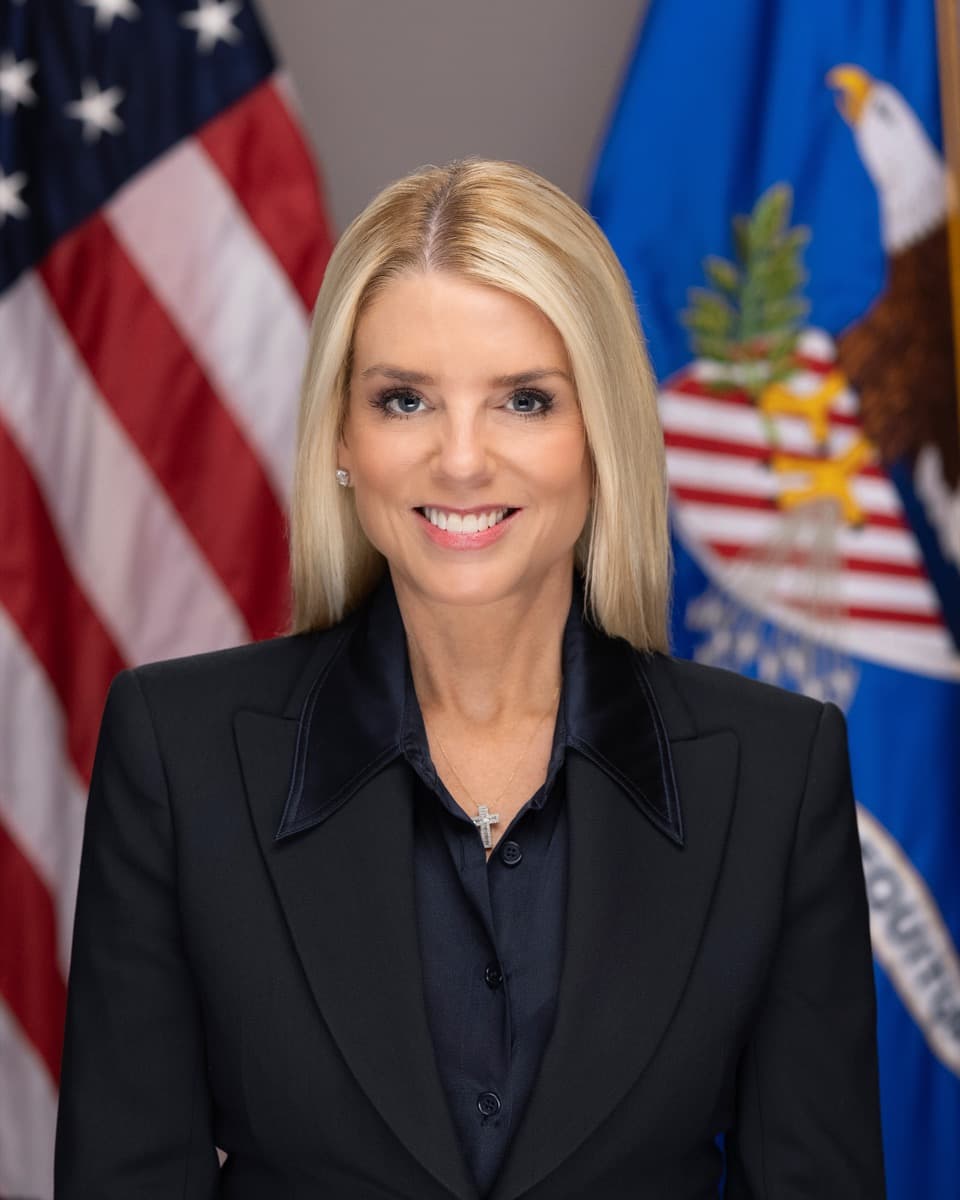
Then-Attorney General Pam Bondi, who oversaw the Murthy settlement before being fired by Trump on April 2, called the settlements "key steps" in "undoing" the previous administration's "abuses of the First Amendment, especially against conservative media."
Acting Attorney General Todd Blanche, who succeeded Bondi, announced the State Department settlement: "The weaponization of the Biden Administration against the American people who they disfavored is over."