Sotomayor Apologizes to Kavanaugh for 'Hurtful' Remarks About His Background
Justice Sonia Sotomayor issued a rare public apology after criticizing Brett Kavanaugh at a law school appearance, saying he "probably doesn't really know any person who works by the hour" -- an extremely unusual breach of Supreme Court decorum.
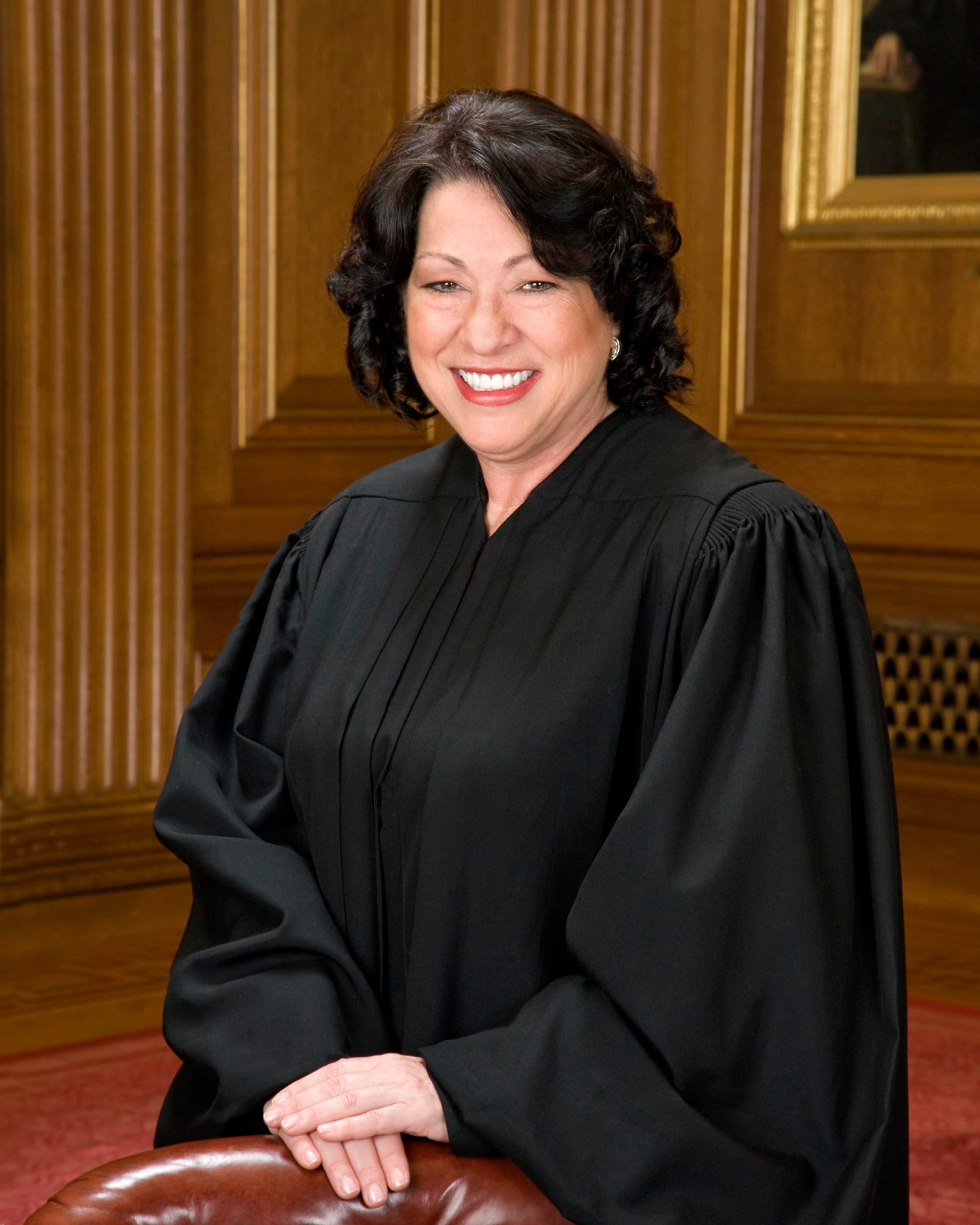
Justice Sonia Sotomayor apologized to colleague Brett Kavanaugh on Tuesday after publicly criticizing his background during a law school appearance last week, calling her own remarks "inappropriate" -- an extraordinarily rare move for a sitting Supreme Court justice.
"At a recent appearance at the University of Kansas School of Law, I referred to a disagreement with one of my colleagues in a prior case, but I made remarks that were inappropriate. I regret my hurtful comments. I have apologized to my colleague."
The statement, released through the Supreme Court's Public Information Office, came just over a week after Sotomayor made pointed personal comments about Kavanaugh during an April 7 appearance at the University of Kansas School of Law.
The Original Remarks
Sotomayor's criticism targeted Kavanaugh's concurring opinion in Noem v. Vasquez Perdomo, a case in which the Supreme Court lifted restrictions on immigration enforcement stops. Kavanaugh had written that such stops are "typically brief" and that detained individuals can "promptly go free" after proving their legal status.
Without naming Kavanaugh directly, Sotomayor told the law school audience:
"I had a colleague in that case who wrote, you know, these are only temporary stops. This is from a man whose parents were professionals. And probably doesn't really know any person who works by the hour."
The comments drew immediate attention for their unusually personal nature. Supreme Court justices routinely disagree -- often sharply -- in written opinions, but public remarks targeting a colleague's personal background cross an unwritten line of institutional decorum.
The Case
Noem v. Vasquez Perdomo arose from immigration enforcement raids across Los Angeles and surrounding counties in which teams of armed, masked agents pulled up to car washes, tow yards, farms, and parks and began seizing individuals -- often before asking for identification. Challengers argued the stops amounted to racial profiling.
Kavanaugh's concurrence took the position that brief questioning of stopped individuals is acceptable as long as they can promptly prove citizenship or legal status. Sotomayor dissented, arguing that for people who live and work in targeted communities, the stops are neither brief nor temporary.
The case's full docket includes the opinion and all related filings.
No Response From Kavanaugh
Justice Kavanaugh has not publicly responded to either the original criticism or the apology.