NASA Langley and UNOS Sign Space Act Agreement to Study Drone Transport for Donor Organs
NASA's Langley Research Center and the United Network for Organ Sharing agreed on April 21 to use NASA's aeronautics expertise and autonomous-drone test range to study whether UAVs can move donor organs faster and more reliably than ground or charter-aircraft transport.
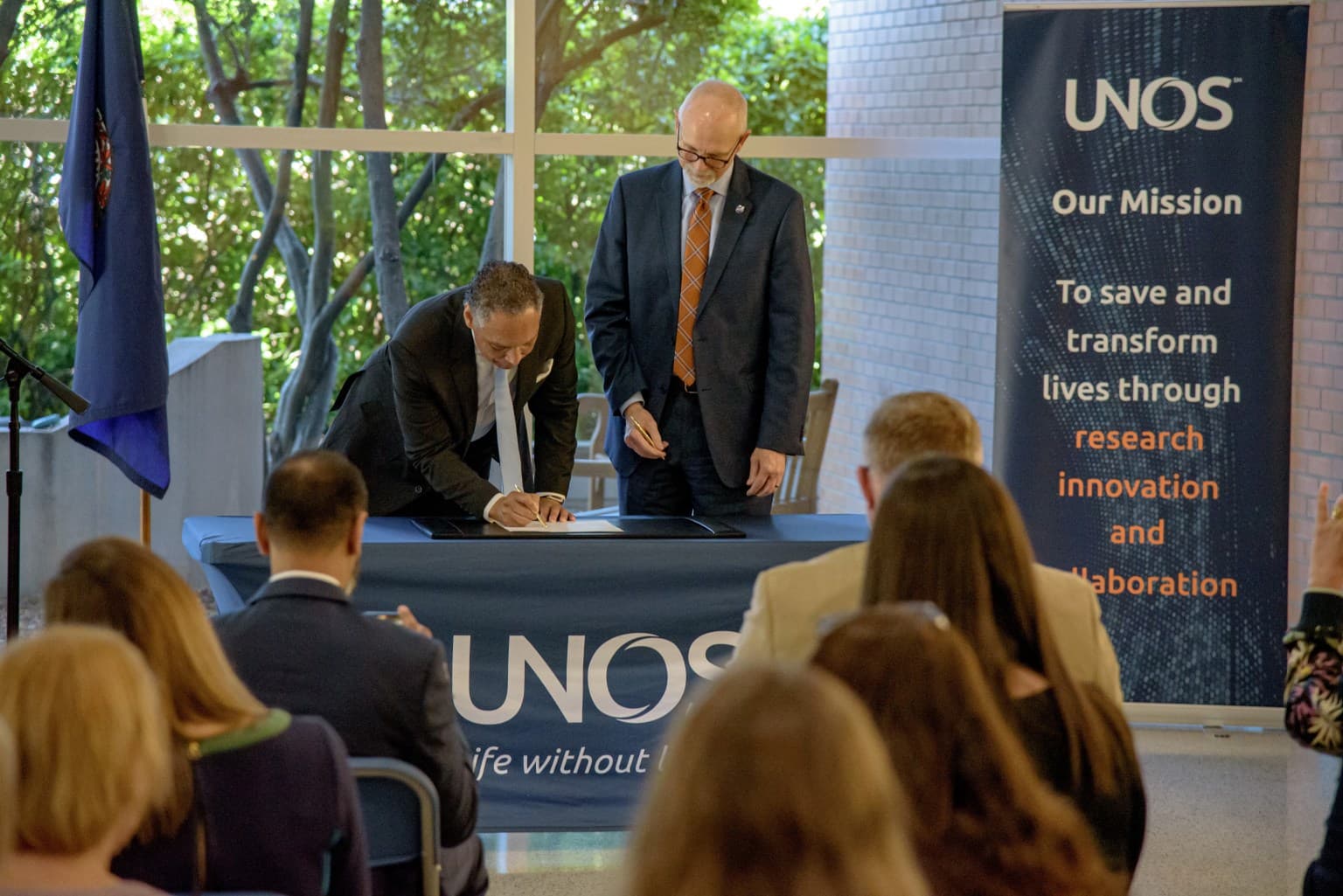
NASA's Langley Research Center and the United Network for Organ Sharing signed a Space Act Agreement on April 21, 2026, at UNOS headquarters in Richmond, Virginia, committing the two organizations to a joint research program on using unmanned aerial vehicles to transport donor organs. The first phase will develop instrumentation to measure how temperature, vibration, and altitude affect organs during drone flight, and analyze candidate routes, time savings, and how UAVs could be integrated into existing transplant logistics, with an emphasis on first-mile and last-mile legs.
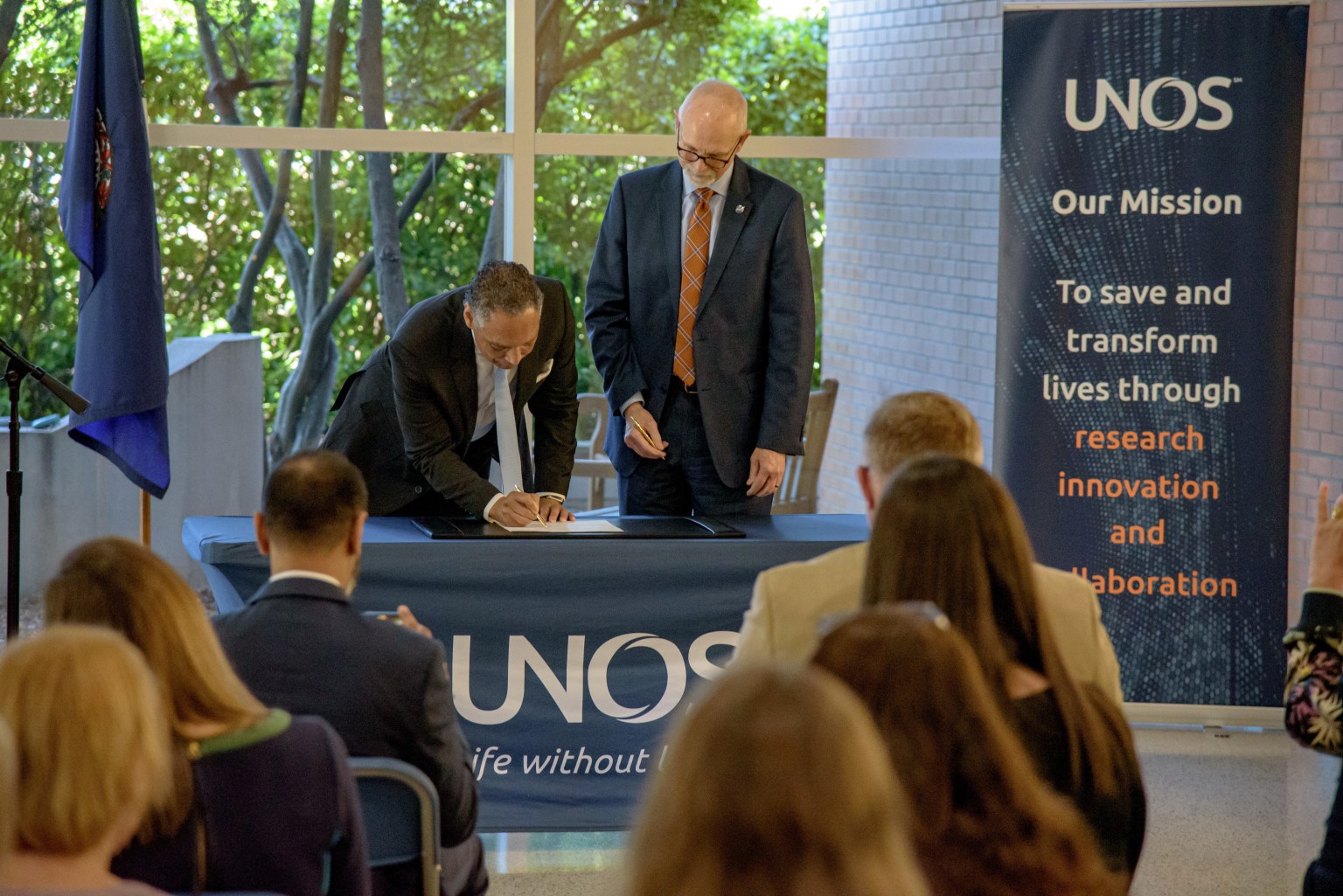
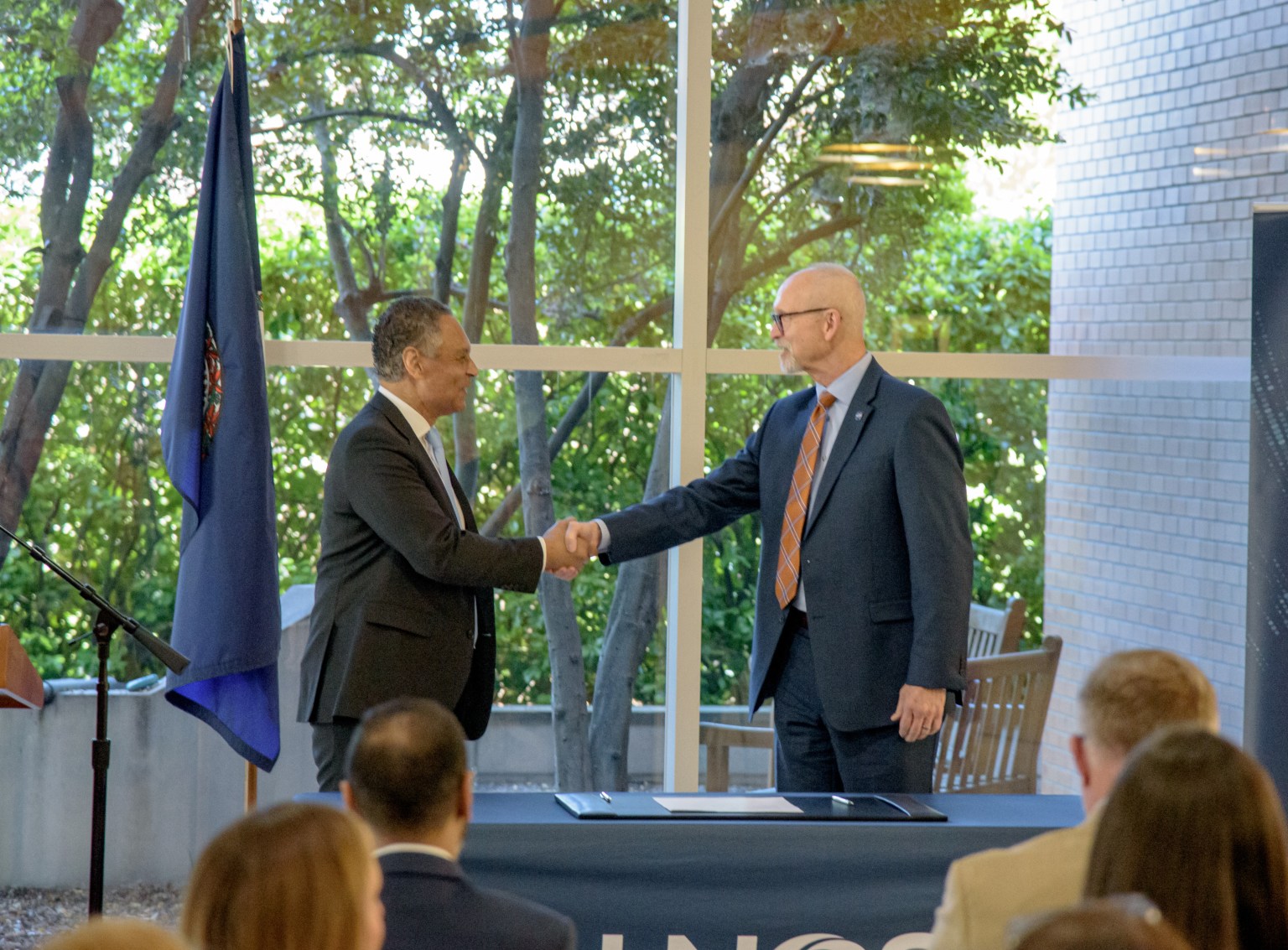
Mark Johnson, UNOS's interim chief executive officer, signed the agreement with John Koelling, director of the Aeronautics Research Directorate at NASA Langley. "This is a chance to apply NASA Langley technology to a real-world problem that can save people's lives who are waiting for transplants," Koelling said in the NASA release. Johnson framed the deal as bringing aeronautics and transplant science together: "This partnership shows what's possible when innovation and mission-driven health care come together."
Initial flight testing will use NASA Langley's City Environment Range Testing for Autonomous Integrated Navigation facility, known as CERTAIN, which is cleared for beyond-visual-line-of-sight drone operations and has been used by NASA for autonomous air traffic management research. NASA said its contribution will draw on advanced modeling, flight planning, and sensing technologies the center already runs, and that the research plan includes viability assessments of organs after drone transport. Lena Pascale, the regional partnerships lead in Langley's Strategic Partnerships Office who coordinated the agreement, said the effort represents "real steps forward in research that is paving the way for life-saving measures using drones."
The partnership lands in a system straining at its capacity. UNOS reported in January that the United States performed 49,064 organ transplants in 2025, a fifth consecutive annual record driven largely by a 17% jump in transplants from living liver donors. At the same time, deceased donors fell 2.5% to 16,550 — the first decline in more than a decade — and more than 90,000 Americans remain on the waiting list for a kidney. UNOS has been publicly advocating for automated donor referral tools, real-time organ tracking, and FAA-aligned transport recommendations; the NASA agreement is the first of those threads to move from policy asks to a signed research program.
Future phases of the collaboration, according to UNOS, are expected to cover scalability, longer-range flight testing, and the regulatory framework that would be required to operate medical UAVs routinely, with additional federal agencies and academic institutions expected to join. NASA has previously flown medical payloads at Langley, most notably a 2015 drone delivery of roughly 10 pounds of medicine to a clinic in Wise County, Virginia — the first FAA-approved beyond-visual-line-of-sight medical drone flight in the United States. Organs, which tolerate only a narrow cold-ischemia window before viability declines, are a substantially harder cargo problem than packaged pharmaceuticals, and the instrumentation work in phase one is aimed squarely at quantifying what drone transit actually does to them.