Space Force Puts Final GPS III Satellite Into Orbit, Closing the Decade-Long Constellation Upgrade Before GPS IIIF
A SpaceX Falcon 9 lifted GPS III SV-10 — the last of the Lockheed Martin–built GPS III series — into orbit from Cape Canaveral early Tuesday. The constellation now has 32 active satellites, with M-code service that the Space Force says is three times more accurate and eight times more jam-resistant than the legacy fleet it is replacing.
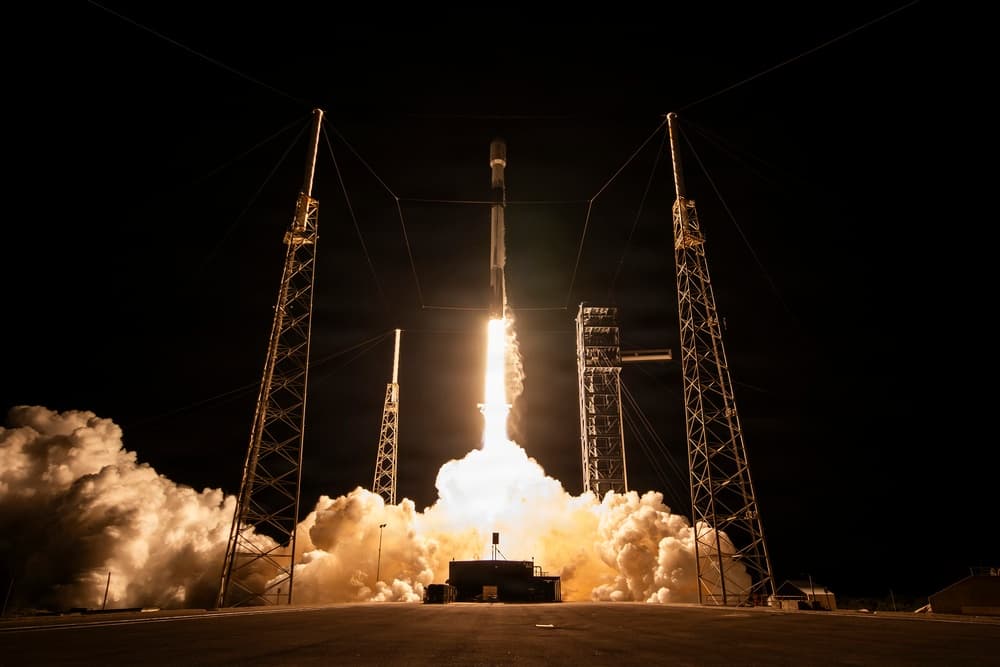
A SpaceX Falcon 9 rocket carrying GPS III Space Vehicle 10 lifted off from Space Launch Complex-40 at Cape Canaveral Space Force Station at 2:53 a.m. EDT on Tuesday, April 21, 2026, completing the deliveries for the U.S. Space Force's GPS III constellation upgrade.
With SV-10 on orbit, the Global Positioning System constellation now has 32 active satellites with added redundancy — the most resilient state the network has been in since the program began. Acceptance into the operational control network is pending; the satellite is currently being managed at Lockheed Martin's Denver Launch & Checkout Operations Center after acquiring signal shortly after launch.
What GPS III adds for the warfighter — and your phone
The full GPS III constellation broadcasts the modernized M-code military signal, which the Space Force describes as three times more accurate and eight times more resistant to jamming than the legacy signals it replaces. Civilian receivers (phones, cars, surveying gear) benefit from a stronger fourth civilian signal (L1C) that is interoperable with Europe's Galileo, Japan's QZSS, and other GNSS constellations.
What's new on this satellite
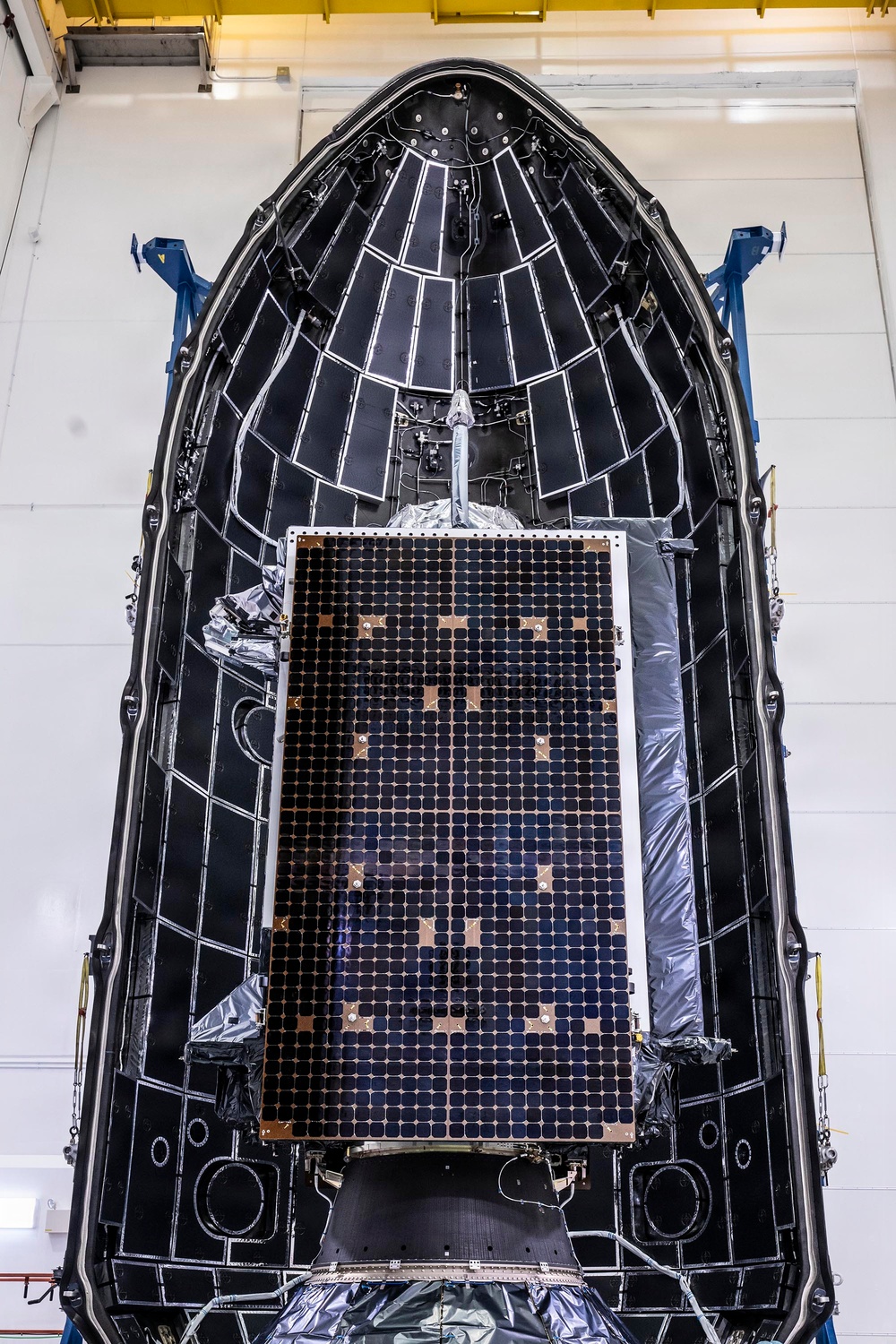
Unlike its nine predecessors, SV-10 carries four firsts for the GPS family:
- A Crosslink Demonstration Payload that lets satellites communicate with each other optically in space, increasing on-orbit resiliency without relying solely on ground stations.
- A new space-qualified Digital Rubidium Atomic Frequency Standard (DRAFS) clock — the next-generation timekeeping reference that GPS accuracy is built on.
- A second Laser Retroreflector Array (LRA), used for ultra-precise satellite tracking from the ground.
- The first 3D-printed Omni Antenna, which Lockheed Martin says reduced production time and cost by roughly 60 percent versus traditional manufacturing.
Officials
"This launch is another example of the NSSL program's flexibility to carry out responsive and reliable launch for our mission partners," said USSF Col. Ryan Hiserote, commander of System Delta 80 at Space Systems Command. USSF Col. Stephen A. Hobbs, commander of Mission Delta 31 at Combat Forces Command, called the launch a delivery that "brings together an important operational capability" for the warfighter.
What comes next: GPS IIIF
Lockheed Martin is now manufacturing the follow-on GPS IIIF series at its Denver, Colorado facility, with 12 satellites under contract. According to the Space Force, GPS IIIF will add a Regional Military Protection capability that delivers more than 60 times greater anti-jam capability against legacy threats — a leap intended to keep the constellation viable against increasingly sophisticated electronic warfare.
The GPS III–to–IIIF cadence has accelerated: the most recent four GPS III missions launched in December 2024, May 2025, January 2026, and now April 2026.