Army Takes Drone-Delivered Bunker Buster From Concept to Detonation in Two Weeks
A Picatinny Arsenal team designed, 3D-printed, filled, and test-fired a new bunker-busting warhead built for small attack drones in two weeks, the Army says. The round is the first payload demonstrated on a new standardized drone-munition interface meant to let industry iterate warheads without re-certifying the drones.
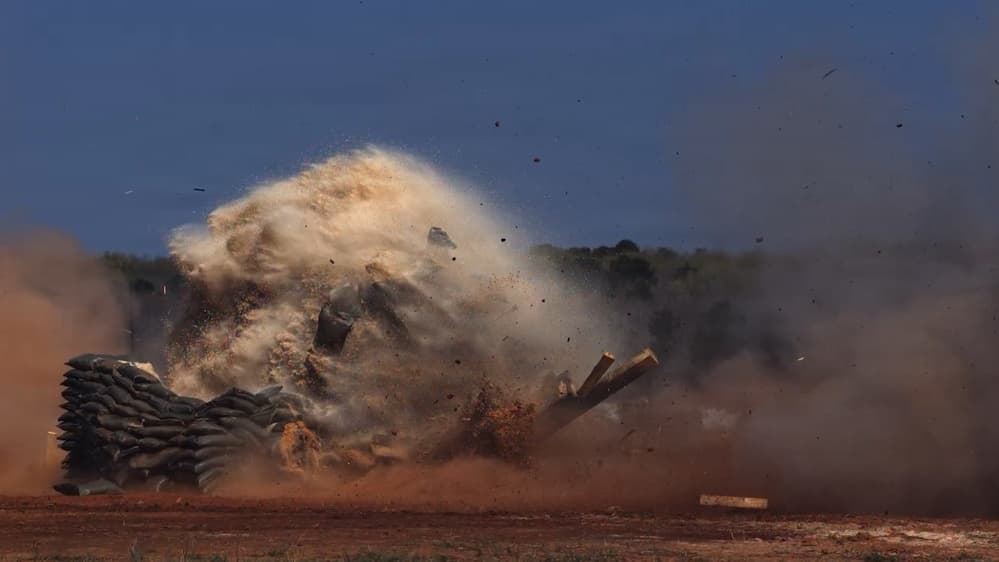
Army engineers took a new bunker-busting warhead from design to live detonation in two weeks, the service disclosed in an April 21 release. The round, called BRAKER — Bunker Rupture and Kinetic Explosive Round — is built to be carried and delivered by the kind of small, expendable one-way attack drone that has become the signature weapon of modern land warfare.
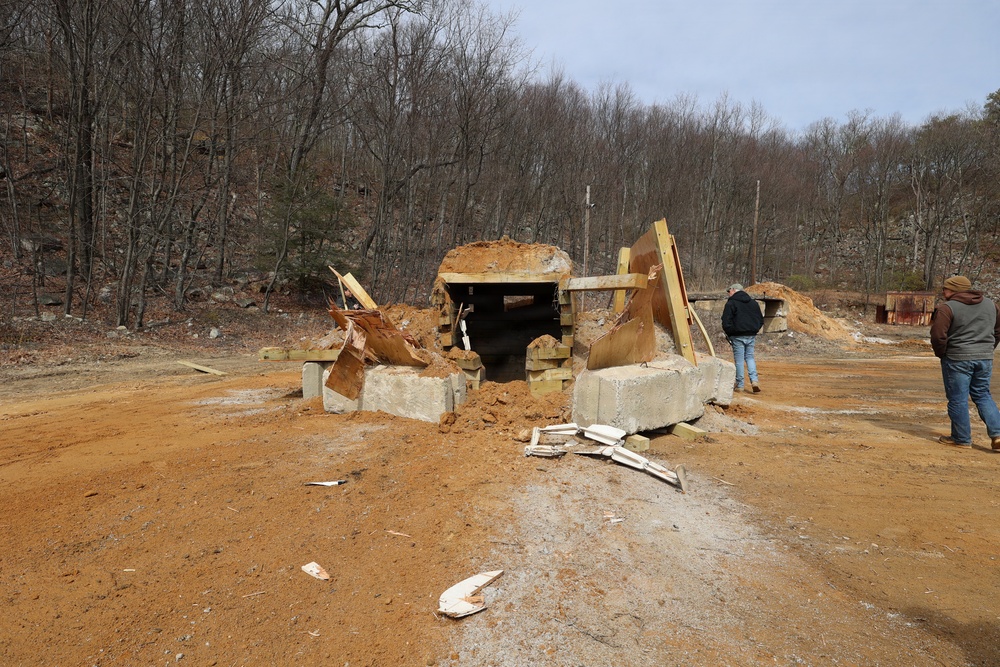
A Picatinny Arsenal team designed the warhead, pressed its explosive, 3D-printed its housing, and assembled approximately a dozen prototypes in early March. On March 26, one of them detonated over a sandbag bunker at Redstone Arsenal in Alabama. “Our Picatinny team went from concept to live-fire in two weeks,” said Col. Vincent Morris, Project Manager for Close Combat Systems.

The timeline is the news. Traditional US munitions development runs on multi-year cycles of requirements, contracting, qualification testing, and re-qualification after any design change. BRAKER compressed that into a calendar month by using two things the Pentagon has been pushing in parallel for the last several years: additive manufacturing and a new standardized drone-payload interface.
The warhead’s casing is additively manufactured — 3D-printed metal — rather than cast, which let the team skip the usual lead time on traditional metal parts. Engineers began design, explosive pressing, housing manufacture, and integration in early March; by mid-March prototypes had been through compatibility and transfer testing at Picatinny Arsenal in New Jersey; by March 26 one of the rounds was detonating at Redstone.
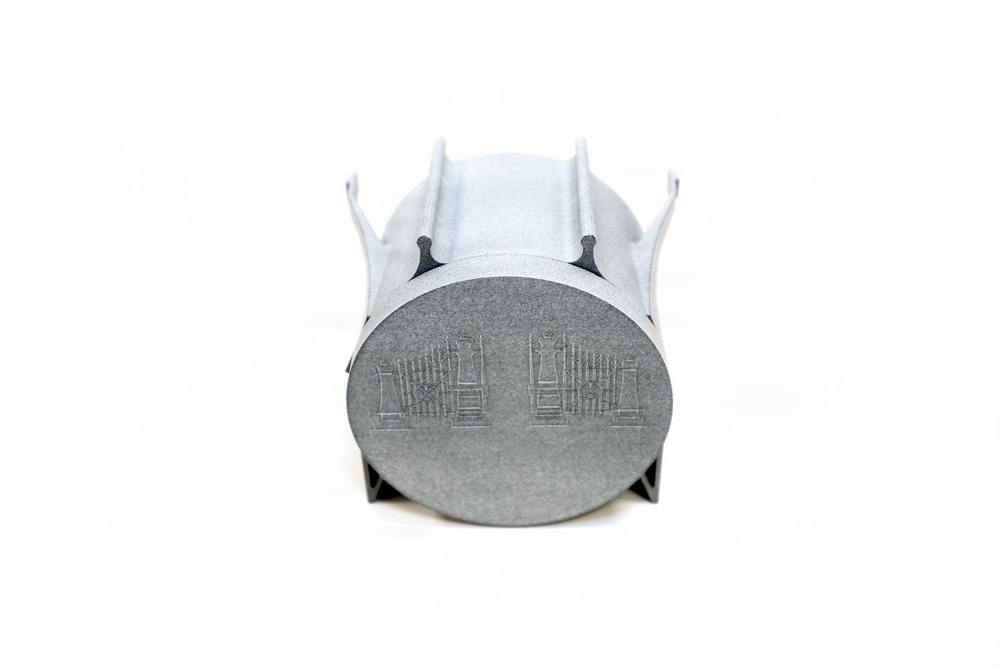
The more structural change is the integration framework. The Army is rolling out what it calls the Picatinny Common Lethality Integration Kit — CLIK — paired with a small universal payload interface designed by DEVCOM Armaments Center engineers. Anthony Sebasto, Executive Director of DEVCOM’s Munitions Engineering and Technology Center, described the kit as the architecture the Army is “creating... with Picatinny Common Lethality Integration Kit and the small universal payload interface for industry to scale this warfighter advantage.”
In practical terms, CLIK is an attempt to decouple the munition from the drone. A contractor that builds a better warhead would not have to re-certify every drone platform it wants to ride on. A drone that adopts the universal payload interface would not have to be re-certified every time the warhead changes. Both sides could iterate at commercial speeds while the safety qualification stays on the interface itself.
The backdrop is three years of small-drone warfare in Ukraine and, to a lesser extent, the Middle East, in which first-person-view quadcopters and loitering munitions have become dominant precision-strike weapons, often carrying improvised or small-batch warheads produced in non-traditional supply chains. The US conventional munitions industry is not built to generate novel warhead designs that way, and the Pentagon has been publicly working on how to close the gap without abandoning its safety certification regime. BRAKER and CLIK are the institutional answer: let industry iterate warheads like commercial products, certify the interface once, and push the payload through it.
What the Army has not disclosed: BRAKER’s unit cost, the specific drone platforms it is intended to fly on, how many rounds will be built, or which contractors will be invited to plug into CLIK. The release describes BRAKER as a capability demonstration rather than a program of record. The release was published on the renamed Department of War’s war.gov site and mirrored on army.mil; Wire reported earlier this month that the Pentagon’s own inspector general has barred the “Department of War” title from court filings and subpoenas while the renaming moves through legal review.