UK tracked three Russian submarines near undersea cables, Defence Secretary Healey says: 'We see you'
The Ministry of Defence disclosed on April 9 a weeks-long tracking operation against a Russian Akula-class attack submarine and two specialist GUGI deep-sea vessels. A separate 10-day operation shadowed a Kilo-class submarine through the English Channel and North Sea.
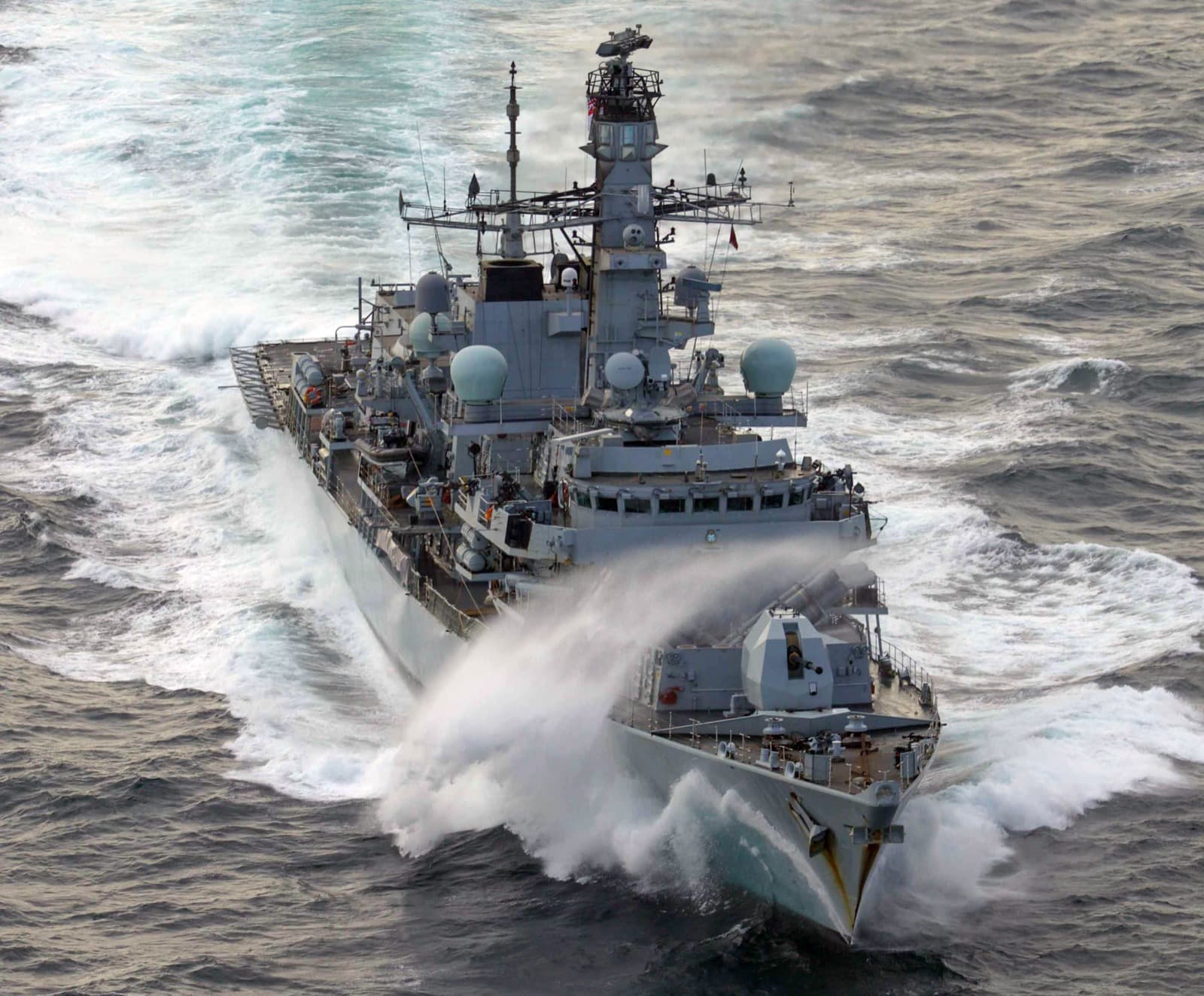
UK Defence Secretary John Healey publicly disclosed on April 9 that the Royal Navy, RAF, and Norwegian allies had tracked three Russian submarines operating near British waters and critical undersea infrastructure, warning Moscow directly in an unusually pointed statement from the Ministry of Defence.
"To Putin, I say this: we see you, we see your activity over our underwater infrastructure. You should know that any attempt to damage it will not be tolerated and would have serious consequences."
The disclosure came in a gov.uk press release that took the rare step of naming the specific Russian vessels, the UK and allied assets deployed against them, and the Arctic Russian base involved.
The vessels tracked
According to the MoD, UK and Norwegian forces tracked an Akula-class Russian nuclear-powered attack submarine and two specialist vessels from Russia's Main Directorate of Deep Sea Research (GUGI) in the High North and surrounding international waters. GUGI, the MoD statement says, is "Russia's long-running military programme to develop capabilities to be deployed from specialist surface vessels and submarines, that are intended to survey underwater infrastructure during peacetime, but then damage or destroy infrastructure during a conflict."
A separate, 10-day intensive operation in the English Channel and North Sea shadowed a Kilo-class Russian submarine as it transited British waters.
UK and allied assets deployed
| Operation | Assets |
|---|---|
| Akula/GUGI tracking (High North) | HMS St Albans (Type 23 frigate), RFA Tidespring, Merlin helicopters, RAF P8 Poseidon maritime patrol aircraft, Norwegian forces |
| Kilo-class tracking (Channel/North Sea) | HMS Somerset, HMS Mersey, RFA Tideforce, Wildcat helicopters |
Healey praised the crews who "spent many days tracking these Russian submarines in extremely challenging and treacherous conditions." The MoD said the Akula-class vessel was tracked "around the clock" over several weeks.
Why undersea cables
The MoD release frames the operation around the protection of subsea fibre optic cables. "Subsea fibre optic cables are essential for all digital communications," the statement notes, "with over 99% of international data traffic, including voice calls and internet data, travelling through subsea cables. This underpins global banking, trade, and communications."
The British government has grown increasingly public about Russian activity near undersea cables over the past two years, following incidents in the Baltic Sea and North Sea where cables and pipelines were damaged under disputed circumstances. GUGI vessels operate out of the Olenya Guba naval base on Russia's Kola Peninsula, and the MoD released a declassified image of the base alongside the statement.
Significance
Healey's direct address to President Putin is a sharper tone than the Ministry of Defence typically uses in maritime tracking disclosures. The operation did not find evidence that the Russian vessels damaged any infrastructure. But publicly attributing the tracking and naming the vessels -- while those vessels are still at sea or recently returned to base -- is itself part of the message: the UK is signaling that it knows what GUGI is doing and intends to say so in public.